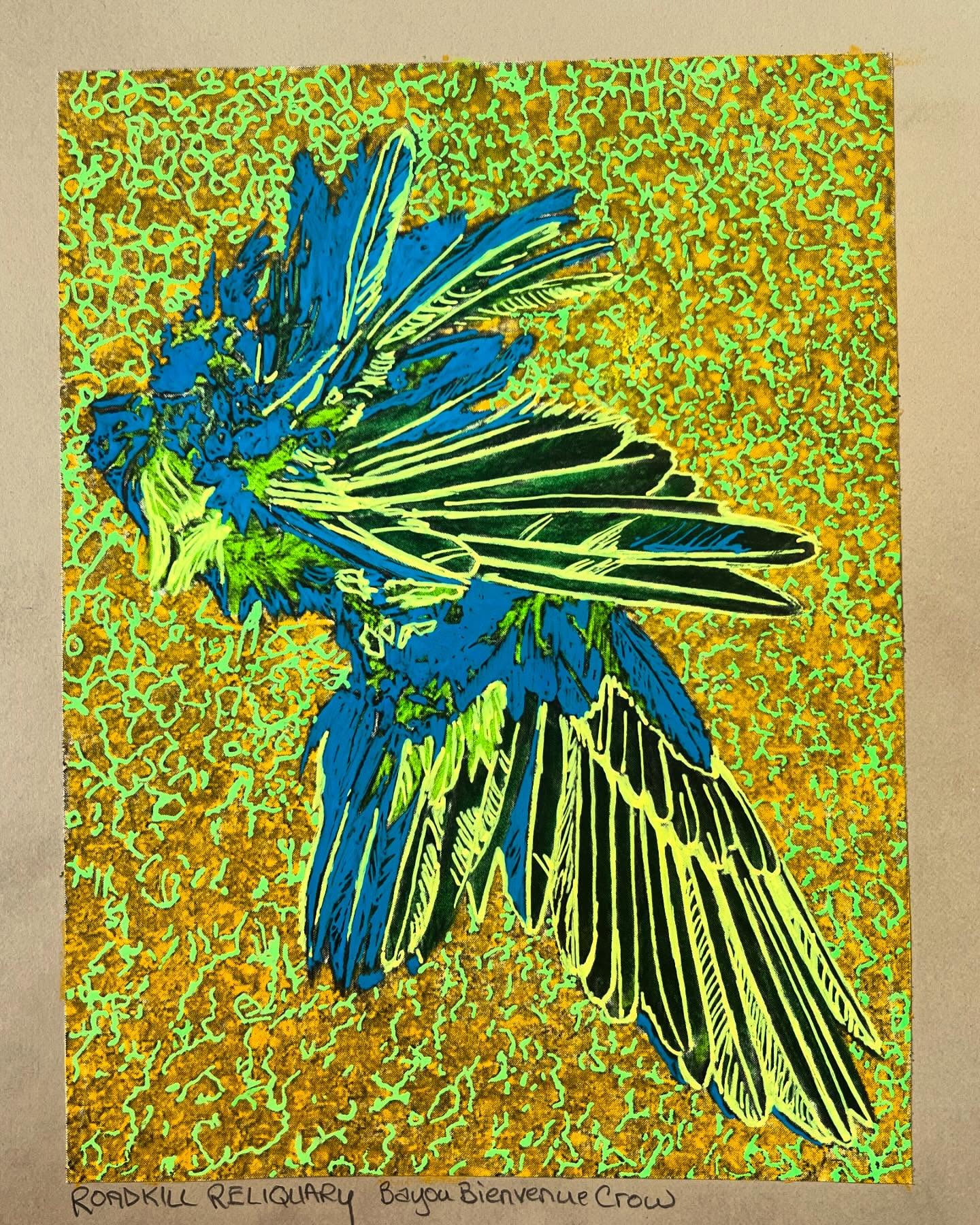
sorry for your loss 2024 – 2025
The stretch of I-10 between my New Orleans home and my mother’s in Slidell stretched through Bayou Sauvage. I’d often turn off my radio and allow my mind to wander, watching the roiling cumulus clouds over Lake Pontchartrain churn themselves into ascending towers, echoing the mudbug castles lining the ditches below. A concrete construction barrier through the swampland prevented animals from crossing the busy highway, and so the stretch was heavily riddled with wetland roadkill, the bright red and black viscera winding and rooting into my interstate meditations like tiny capillaries.
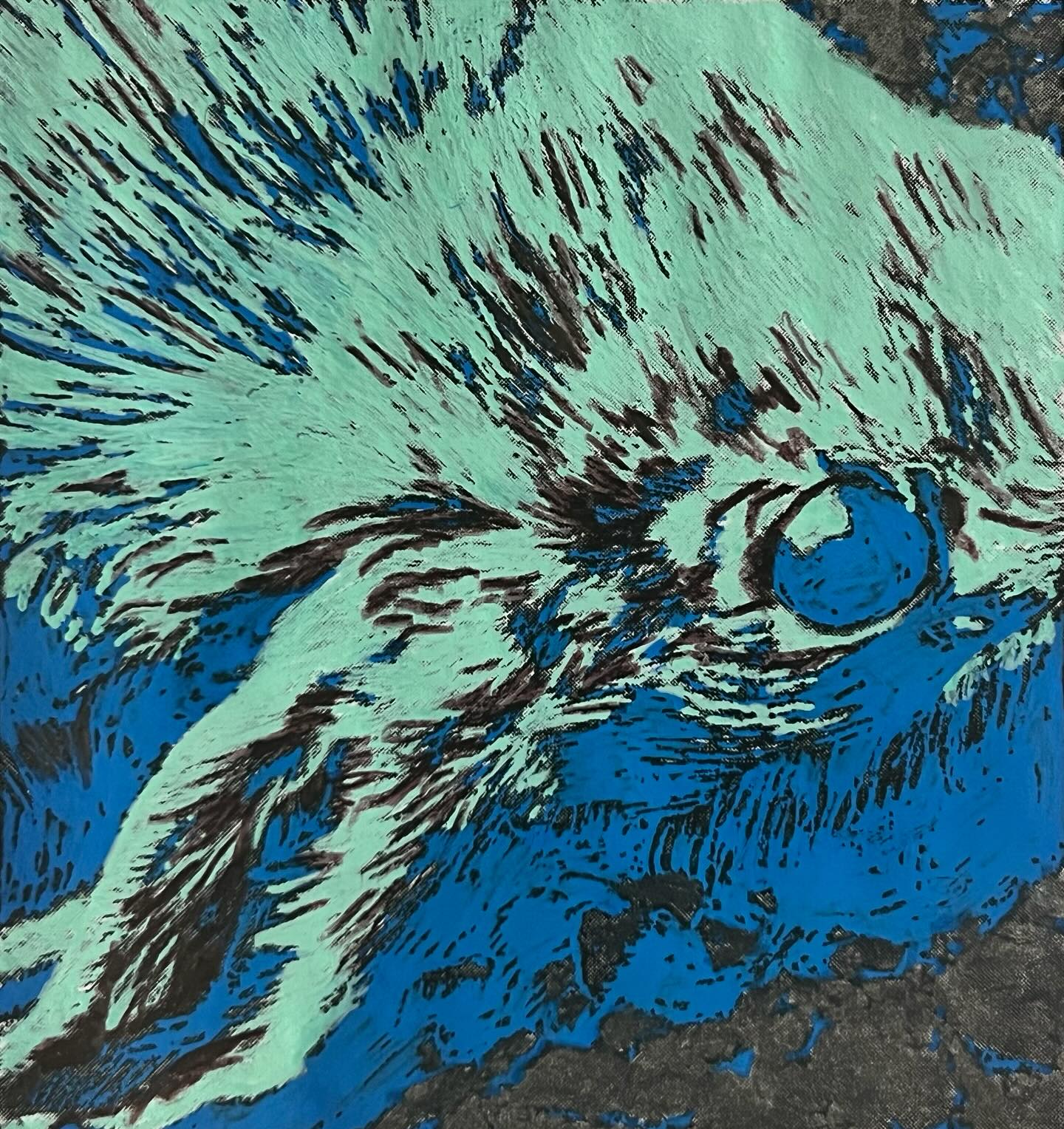
“Epimeletic” refers to the behavior of an adult that, sometimes assisted by one or a few others, consistently stays near a distressed, injured, or dead individual, keeping it afloat, carrying it, protecting it from apparent danger and engaging in rescue attempts. Epimeletic behavior toward living conspecifics has a clear adaptive significance. However, its evolutionary meaning becomes more obscure when targets are dead and decomposing conspecifics (or parts thereof), individuals and carcasses of other species, or even objects. The long-term carrying of conspecifics has been related to grieving.” (Giovanni Bearzi, Melissa A.L. Reggente, Encyclopedia of Marine Mammals)
it is well documented in relationship therapy that widowers, especially recent widowers, are compelled to speak frequently about their late wives and to elevate them to a status of sainthood. T contributed with due diligence, taking to social media and posting the most achingly beautiful tributes, the sweetest holiday memories. And she was, indeed, angelic in photos, an elfin smile captured in her last playful selfie post, filter-adorned with kitten ears and whiskered button nose. It had been a week before a farmer discovered her car along a remote sugarcane field. By then, the animals had claimed her for themselves, carrying her here into quiet corners of grass and fern, and here, onto a bed of desiccated stalks from last year’s harvest
it was in the thick of the pandemic and the deep hours of night when my mother was rushed into emergency surgery, ruptured diverticulitis spreading toxins throughout her abdominal cavity like a cancer. The incision was a full 12 inches, each organ handled, lifted, rinsed. Without adequate staff, her anaesthesia and pain management were horribly botched. “I’m awake!” she cried out into the blinding light as vultures descended, again and again, a Promethean nightmare
T struggled with sleep horrors. Broken by grief, he gathered her broken body in buckets and carried her nightly through the darkness in search of a peaceful resting place, wary of the strangers eyeing him with growing suspicion.
Mom is wound in IV tubes after a routine colonoscopy. She smiles as I enter. A coldness gathers in my chest, grips my heart in a tight fist. Numbness winds into my arms and neck, administering ice through my veins, clutching my muscles and tendons
(viscera)
Night closes in; the cool earth beckons
He tosses and turns, restless. Her black Converse, still carelessly but perfectly
tossed on her side of the bed
(her side)
a colorful scarf winding kitten-like around them. Empty shoes, shoes I could
never fill. Presence. Absence. Comfort. Grief. Ghost
sky burial is an ancient Tibetan funerary tradition in which after death the body is dismembered and set on an elevated location as an offering for sacred vultures…Giving up the human corpse to vultures is regarded as a final act of compassion and kindness. Vultures are said to carry the deceased’s soul to heaven after exposing the body to the elements. Back in the 1990s, the vultures were nearly extinct with their population in South Asia declining to more than 90% primarily due to their feeding on carcasses contaminated by a veterinary anti-inflammatory drug called Diclofenac. (Pooja Lama, Reviving Himalayan Vulture and Culture)
I wanted to help with the weight of those buckets. There were so many things in the way
I stopped. I took pictures. Odd, I know. Initially it was curiosity, I think; an admiration for the diversity offered by the swamp, perhaps a desire to identify and study. There was bewilderment; this road viscera was very recently sentient, experienced the world through his own clear eyes, breathed the salty green scent of the marsh, felt the gulf wind tousle his dense fur on the same hide that then stretched in some degree of disintegration across the asphalt. The earth welcomed back the pelt, the tissue, it would rebuild; what of the sentience?
Occasionally there was a house pet, the sweet jowls and soft paws that likely rested softly across the lap of a loved companion.
They’re such transformative entities, death and grief, but yet, so universal. A footprint speaks both presence and absence: she was in this very place, she is gone. What of the ghost? Am I steward? Am I complicit?
This body of work is a slight sidestep from my broader ecological focus in that it creates a bridge to environmental issues through the lens of a very personal, yet universal and hopefully relatable, investigation of sentience and death. Each moment that constitutes a life becomes so much more valuable in its absence; most anyone having looked mortality in the eye will agree. As much of our nation struggles with a burden of grief: for our lost empathy and unity, for social, cultural, environmental abundances; we lean into basic connectivity to make ourselves whole again. Are we steward? Are we complicit?
How do we heal?
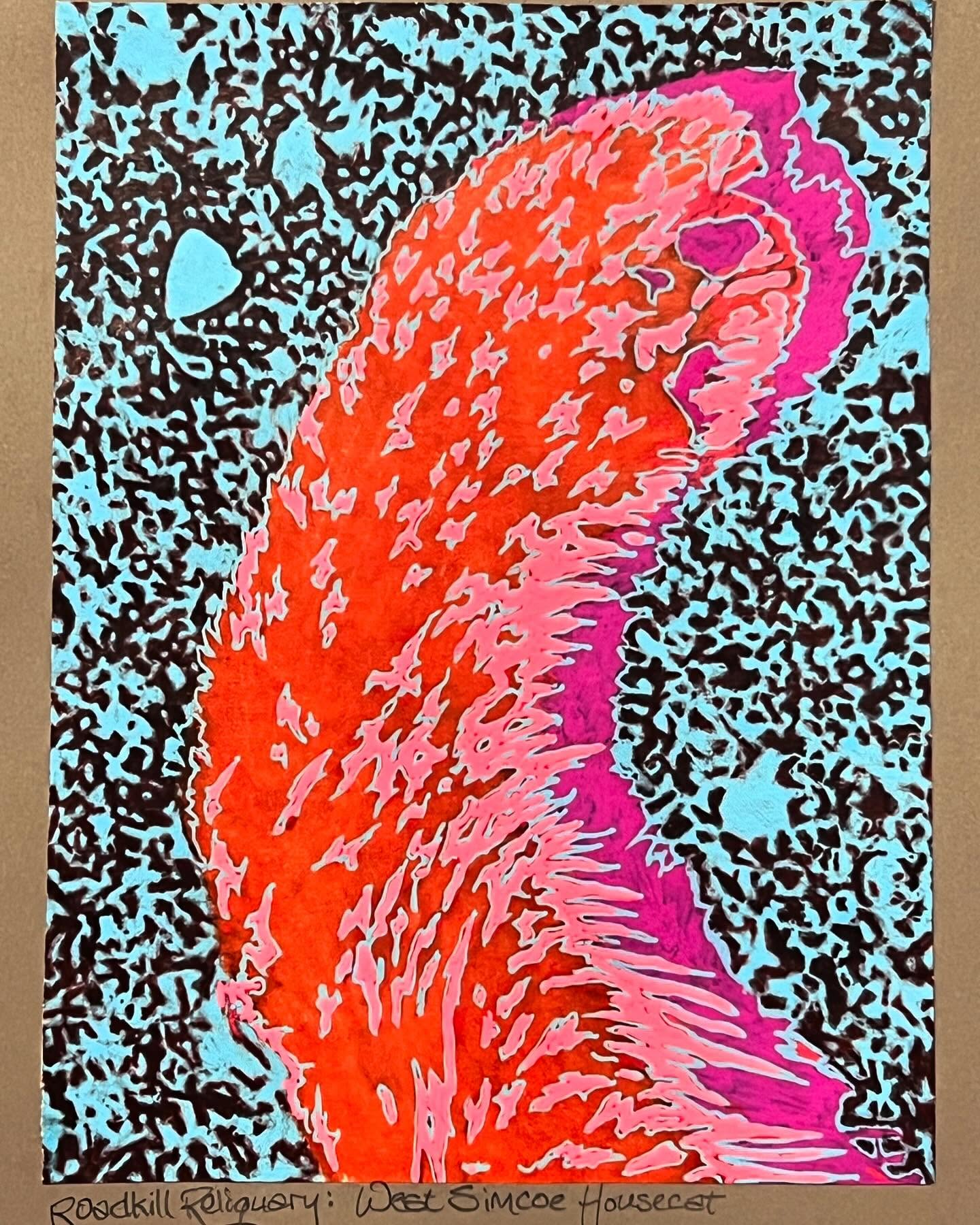
West Simcoe Housecat
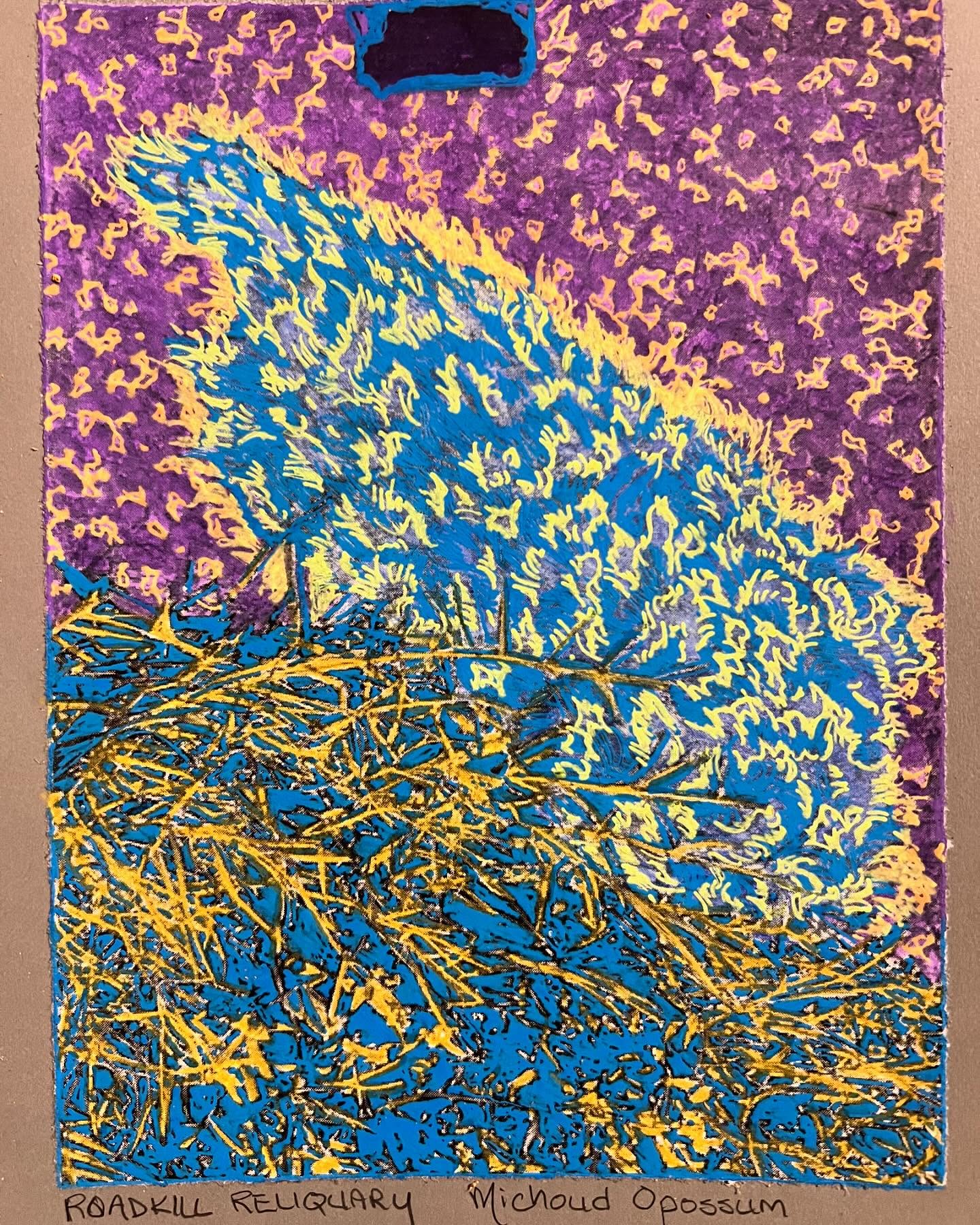
Michoud Opossum
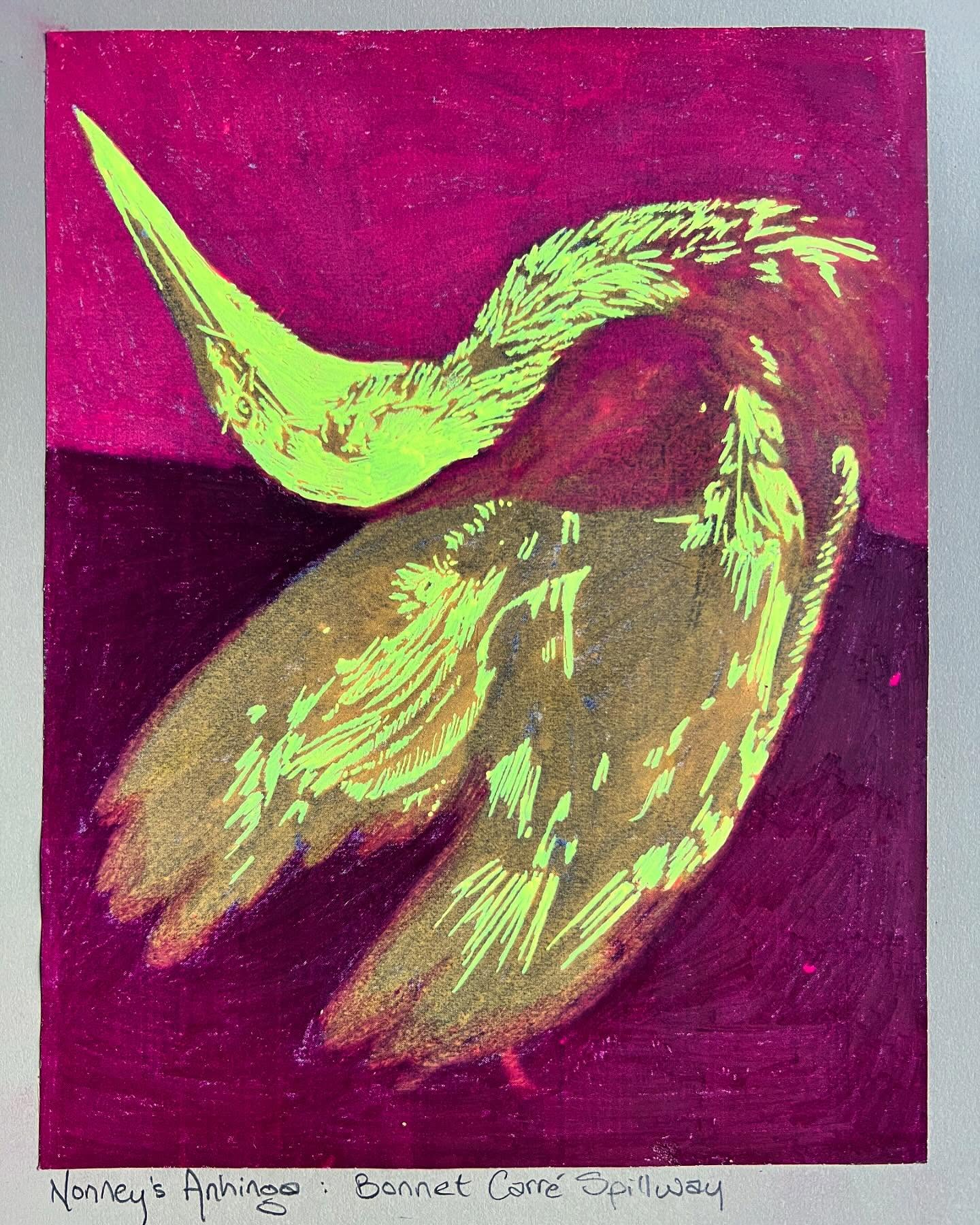
Nonney’s Anhinga Bonnet Carre Spillway
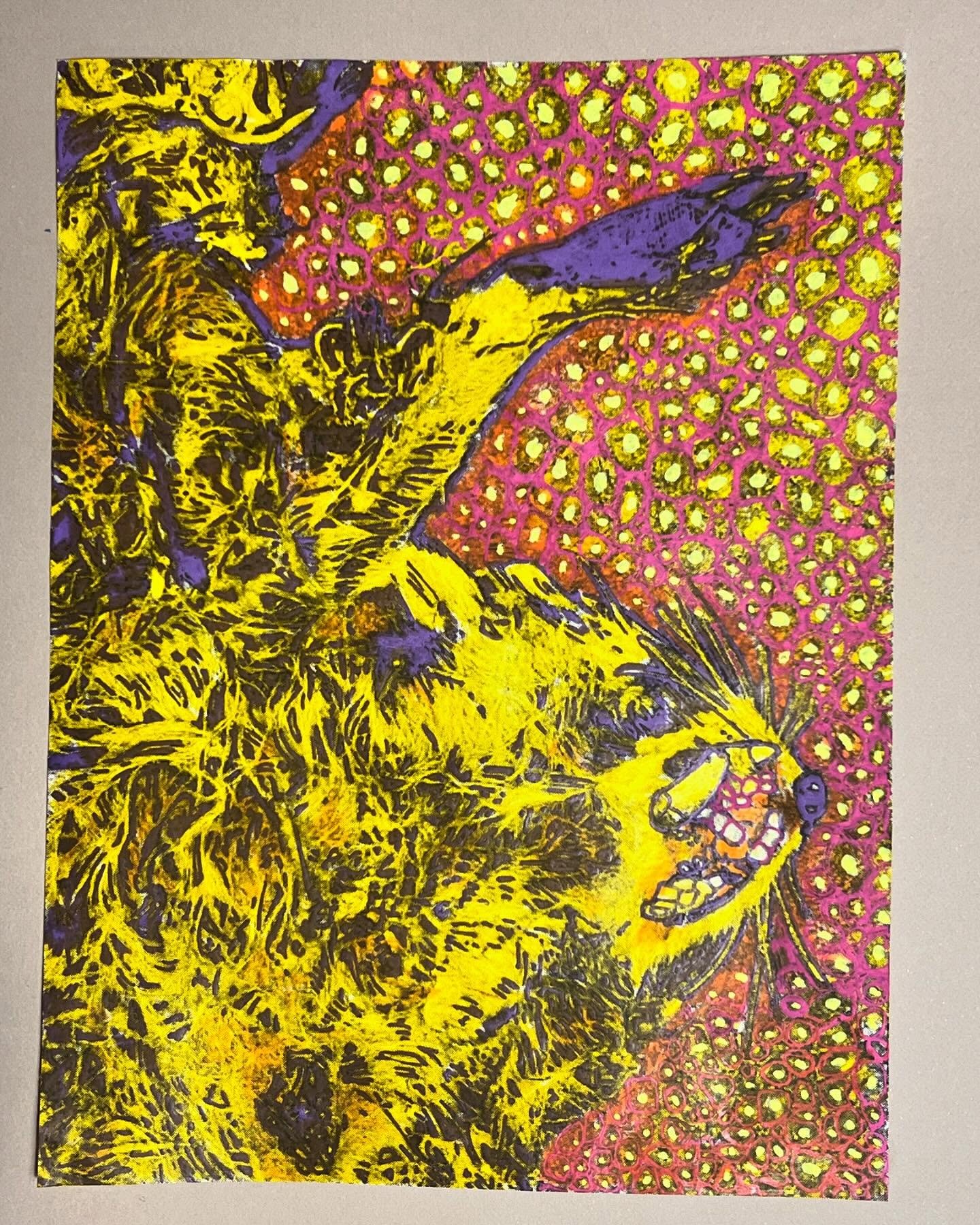
North Broad Raccoon
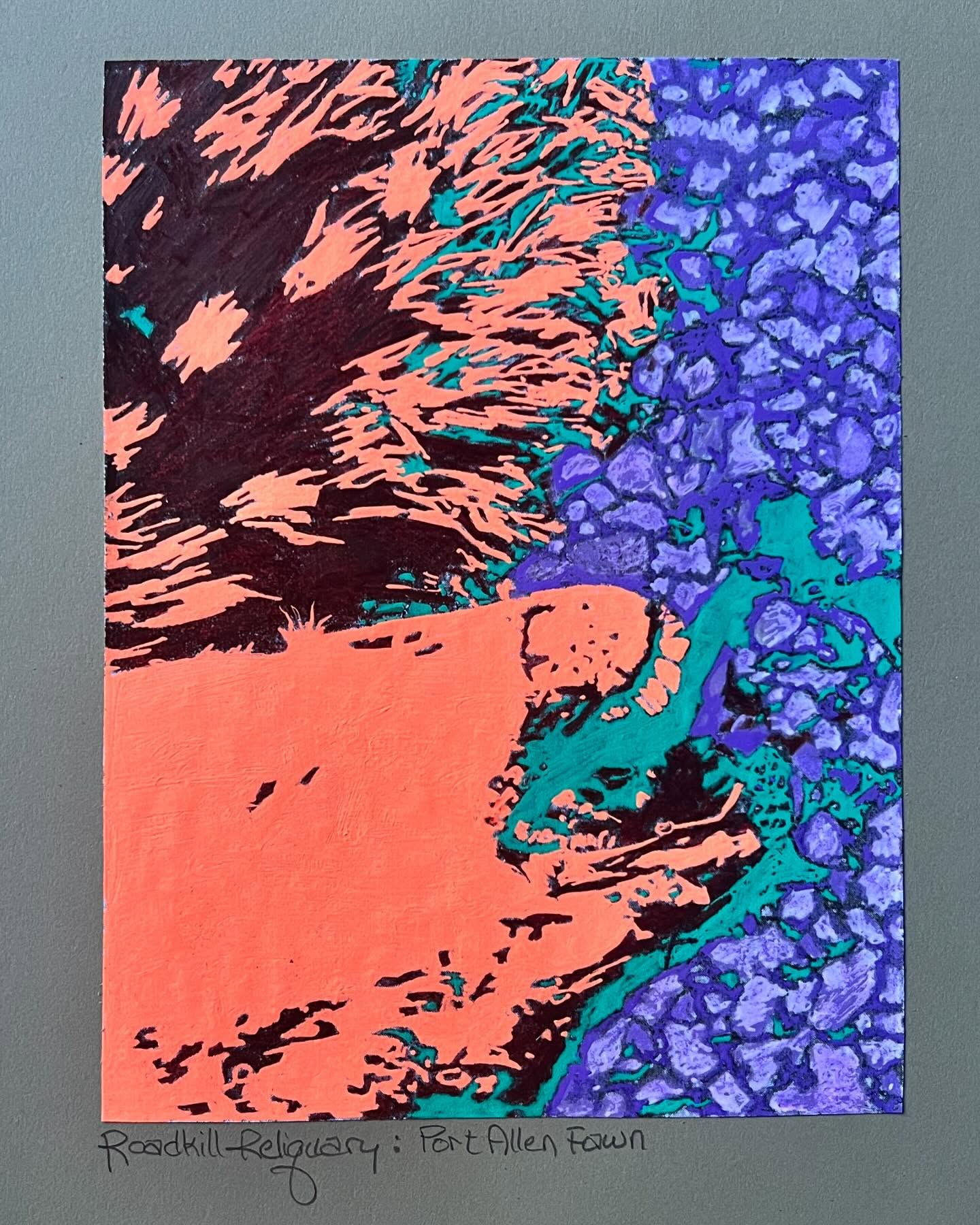
Port Allen Fawn
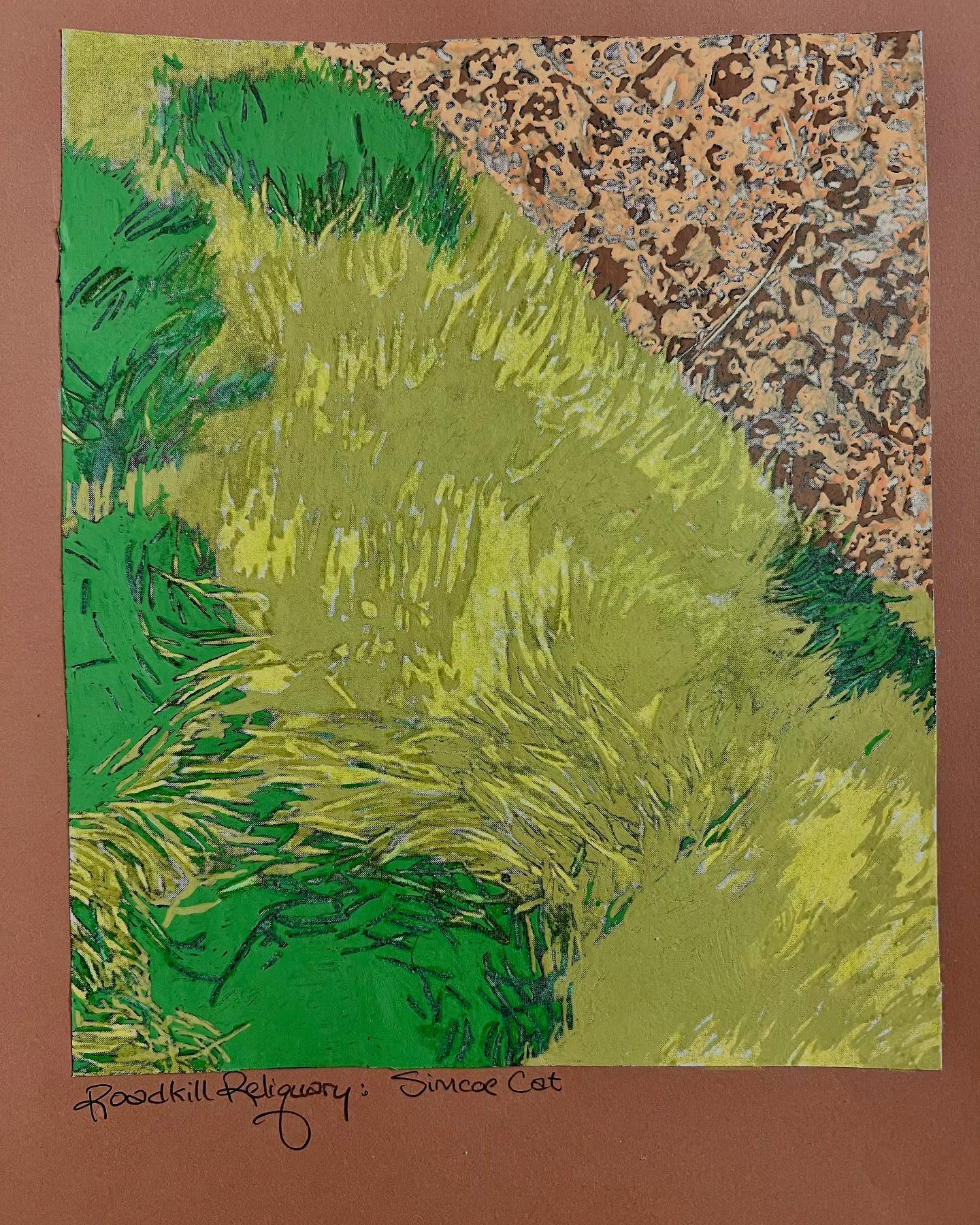
Simcoe Cat
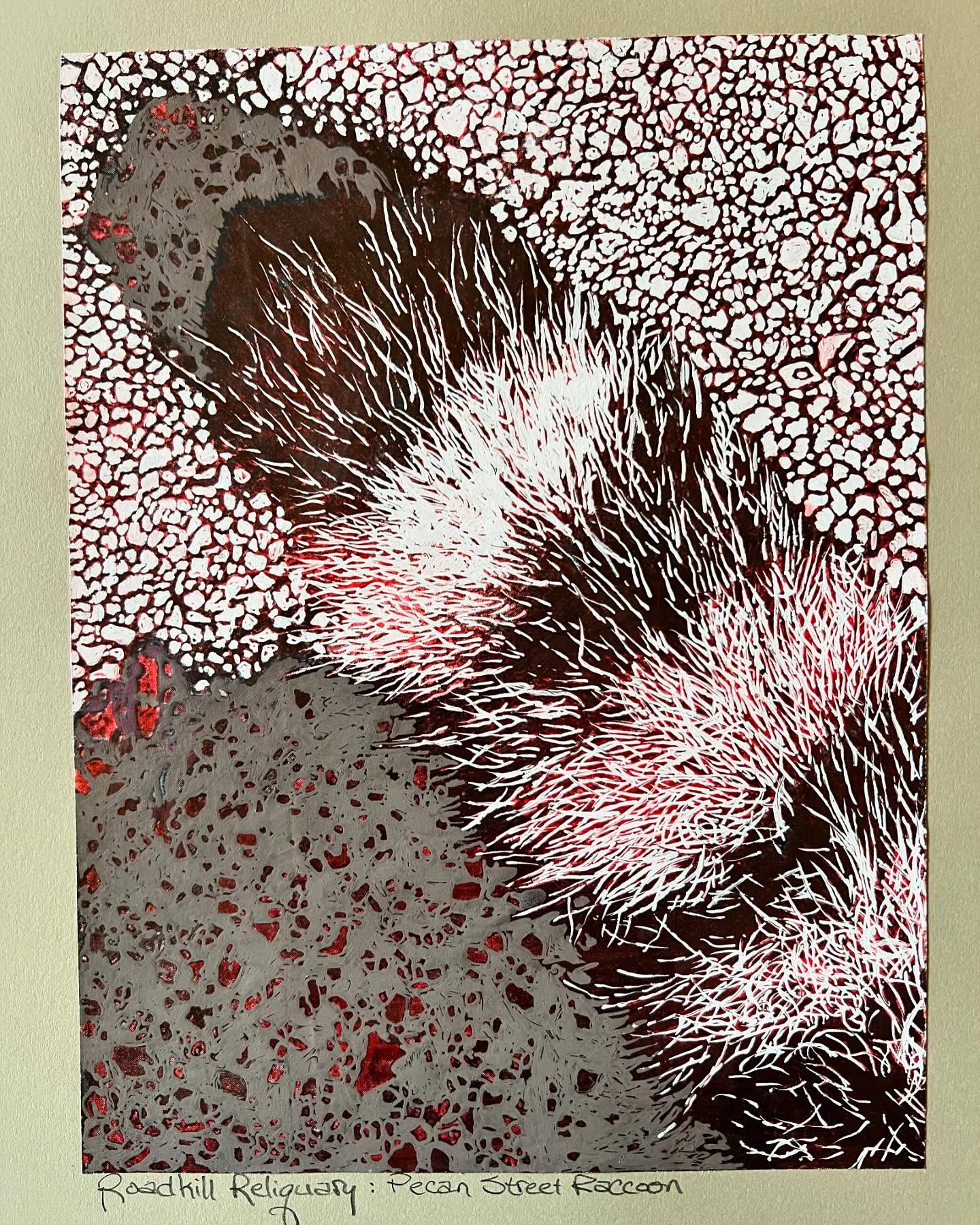
Pecan Street Raccoon
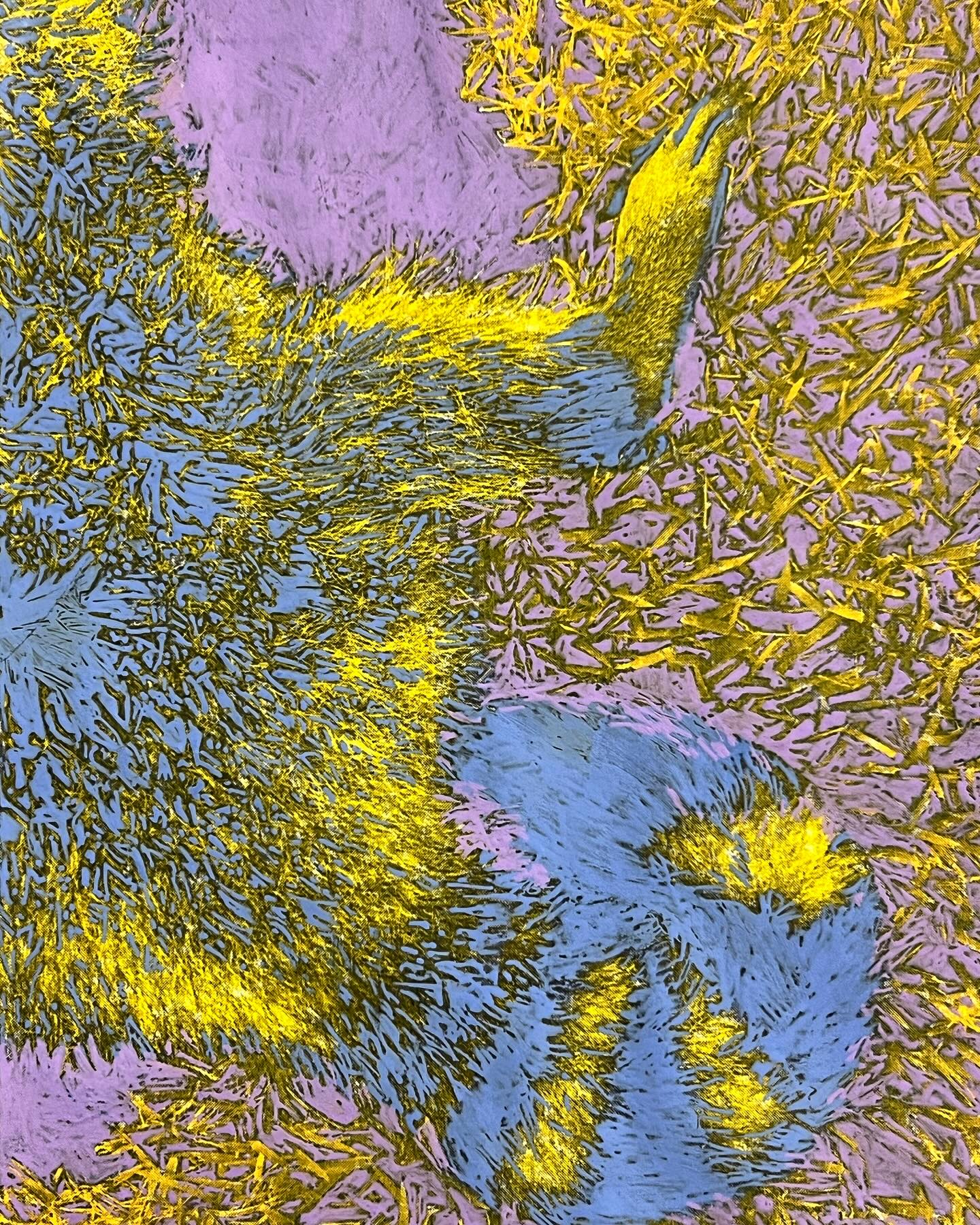
Dalrymple Raccoon
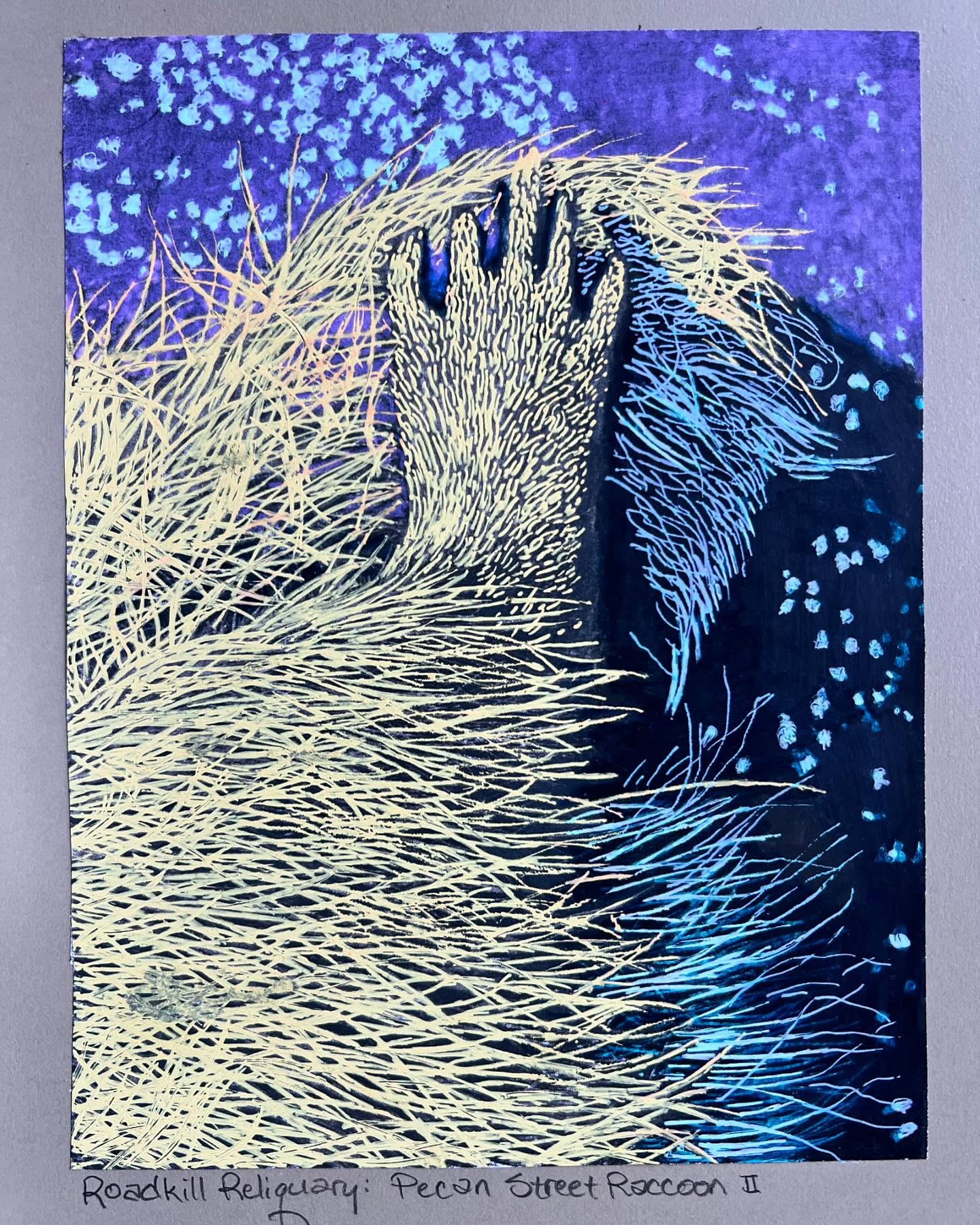
Pecan Street Raccoon II
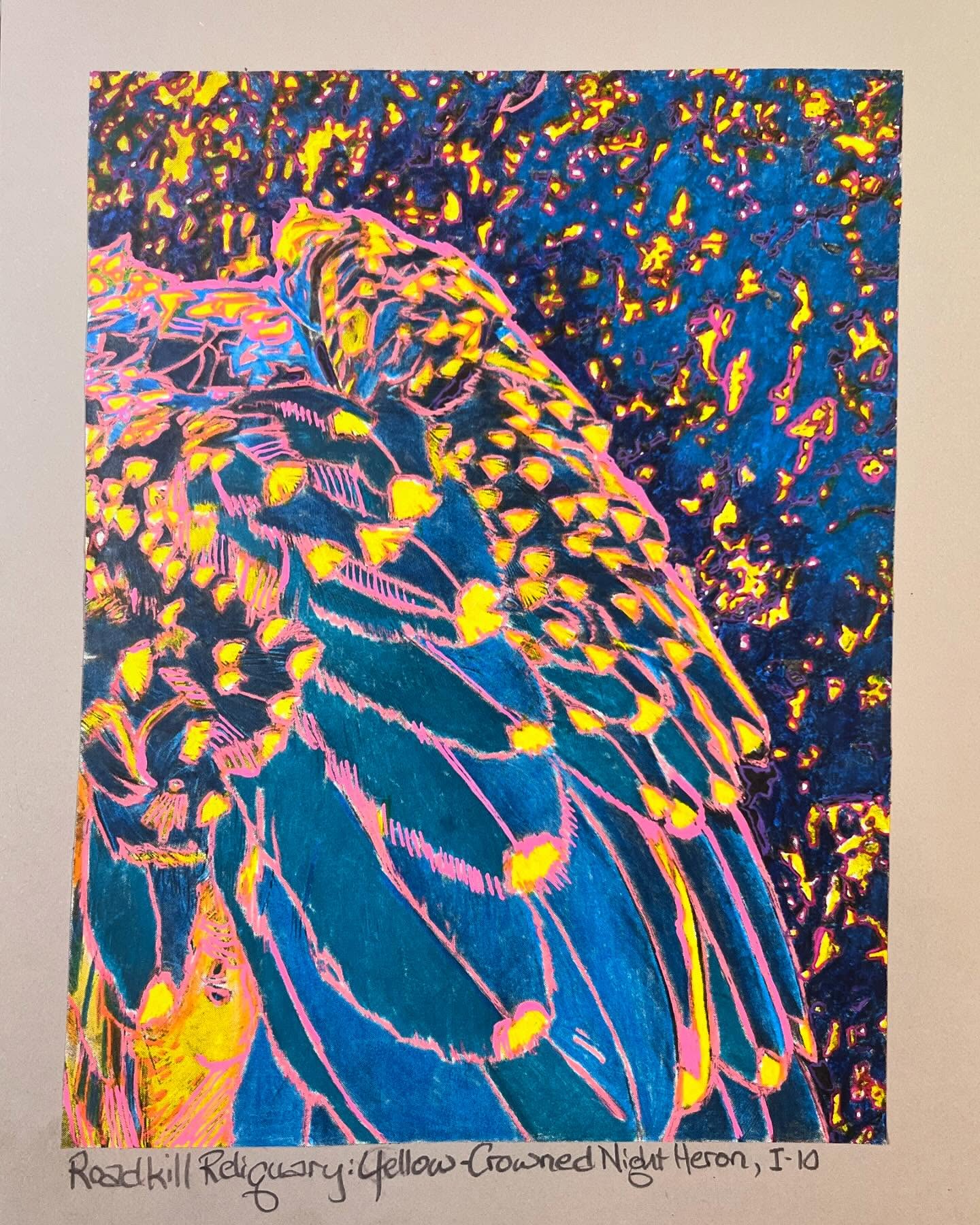
Yellow-Crowned Night Heron
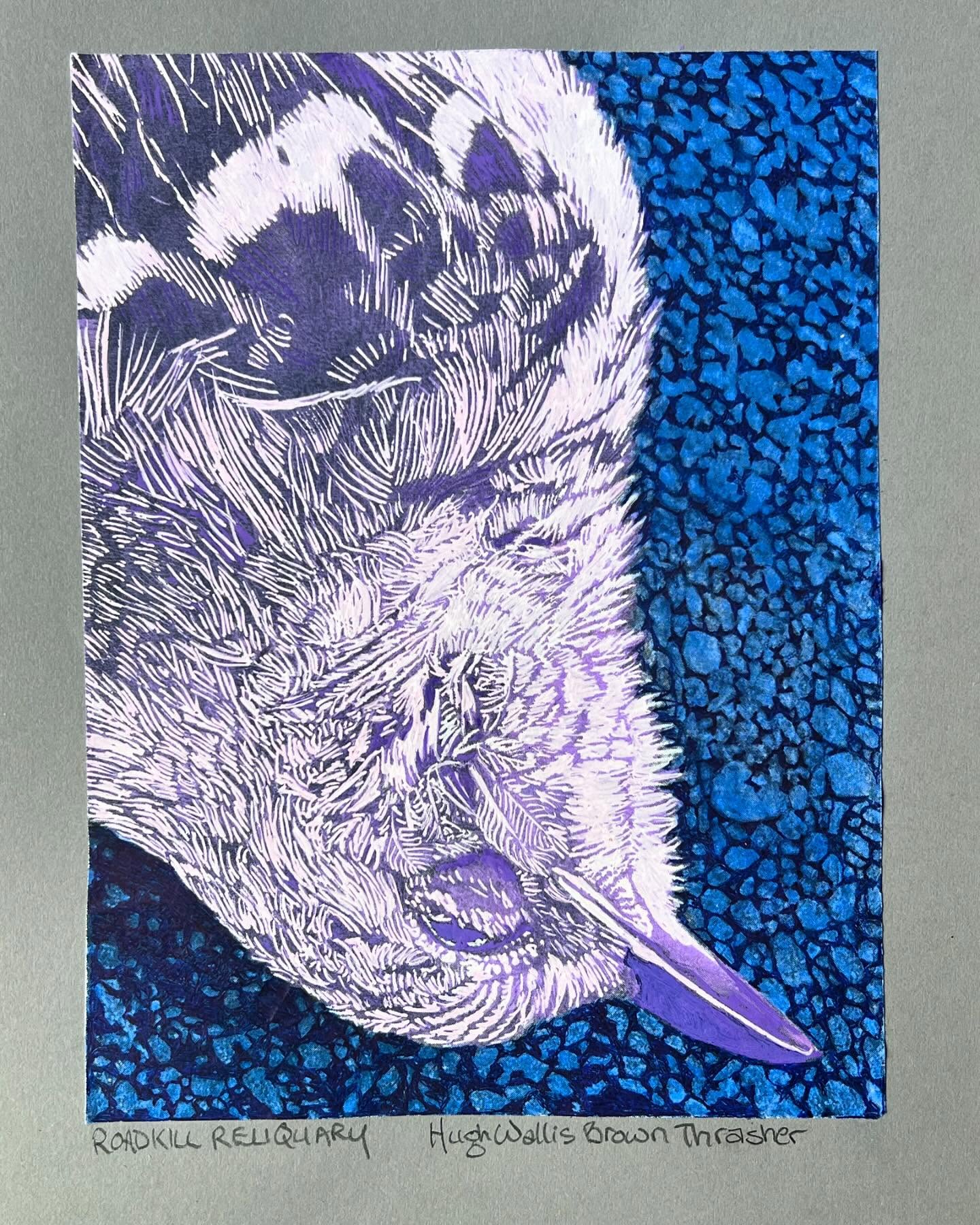
Hugh Wallis Brown Thrasher
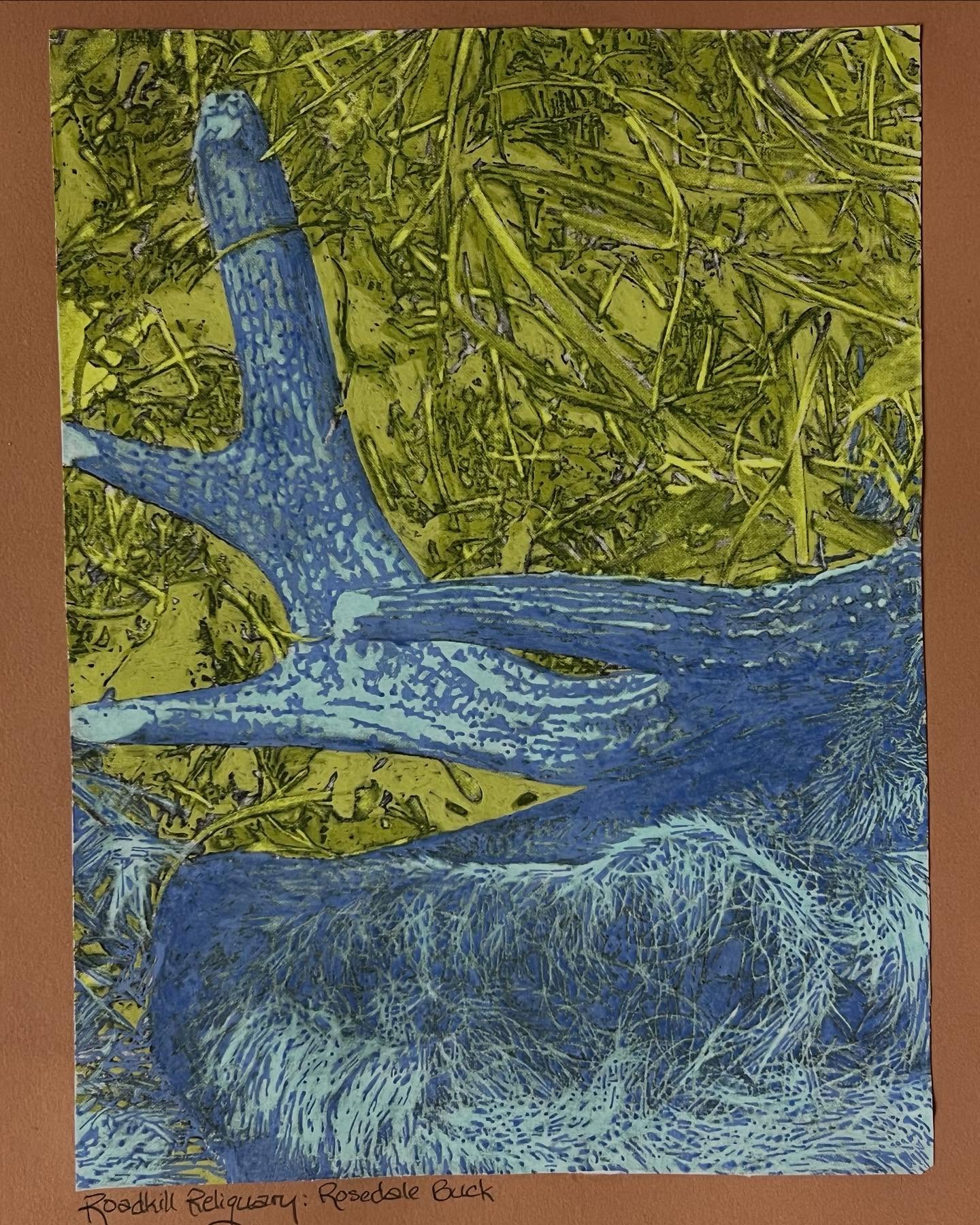
Rosedale Buck
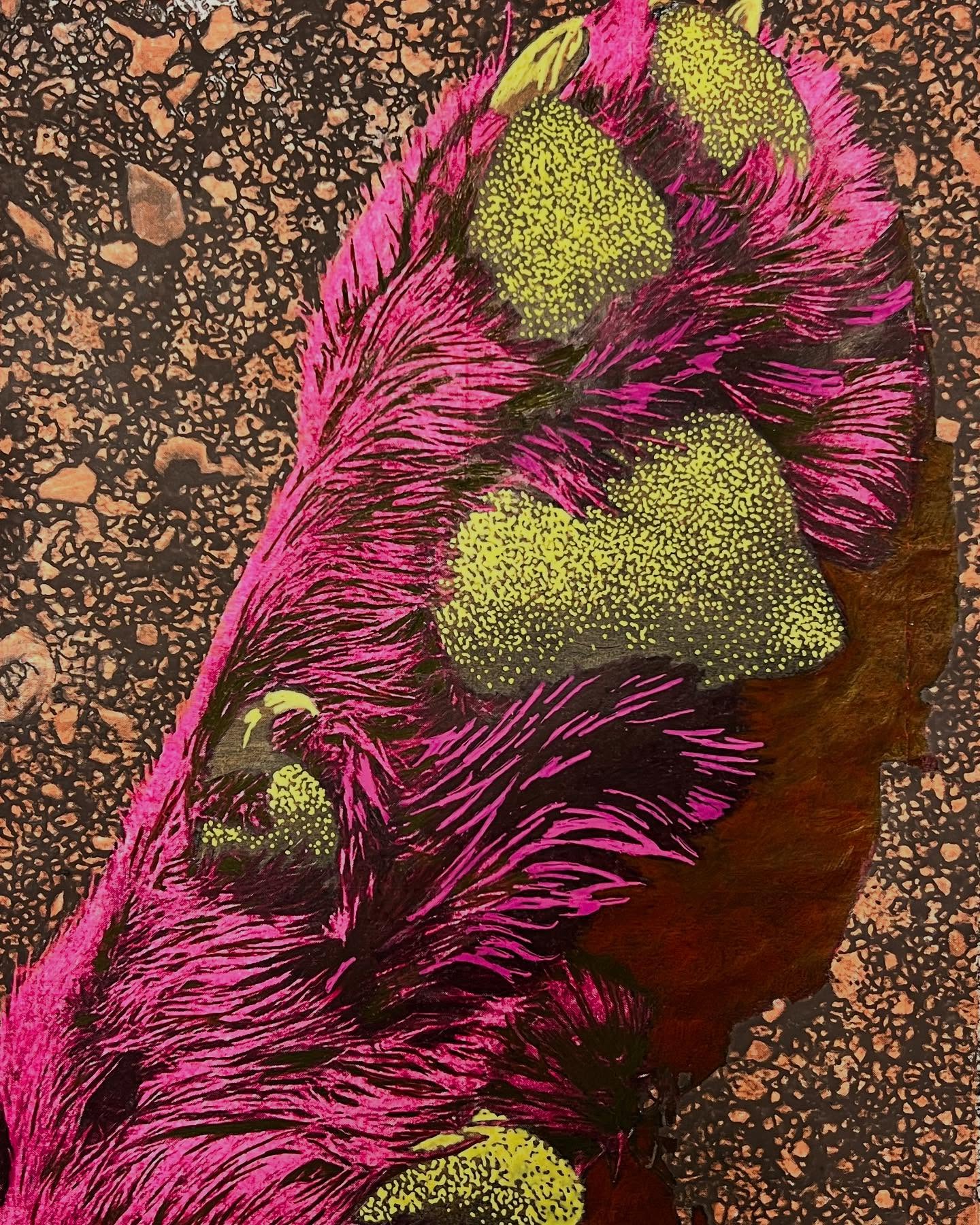
Gross Tete Pitbull
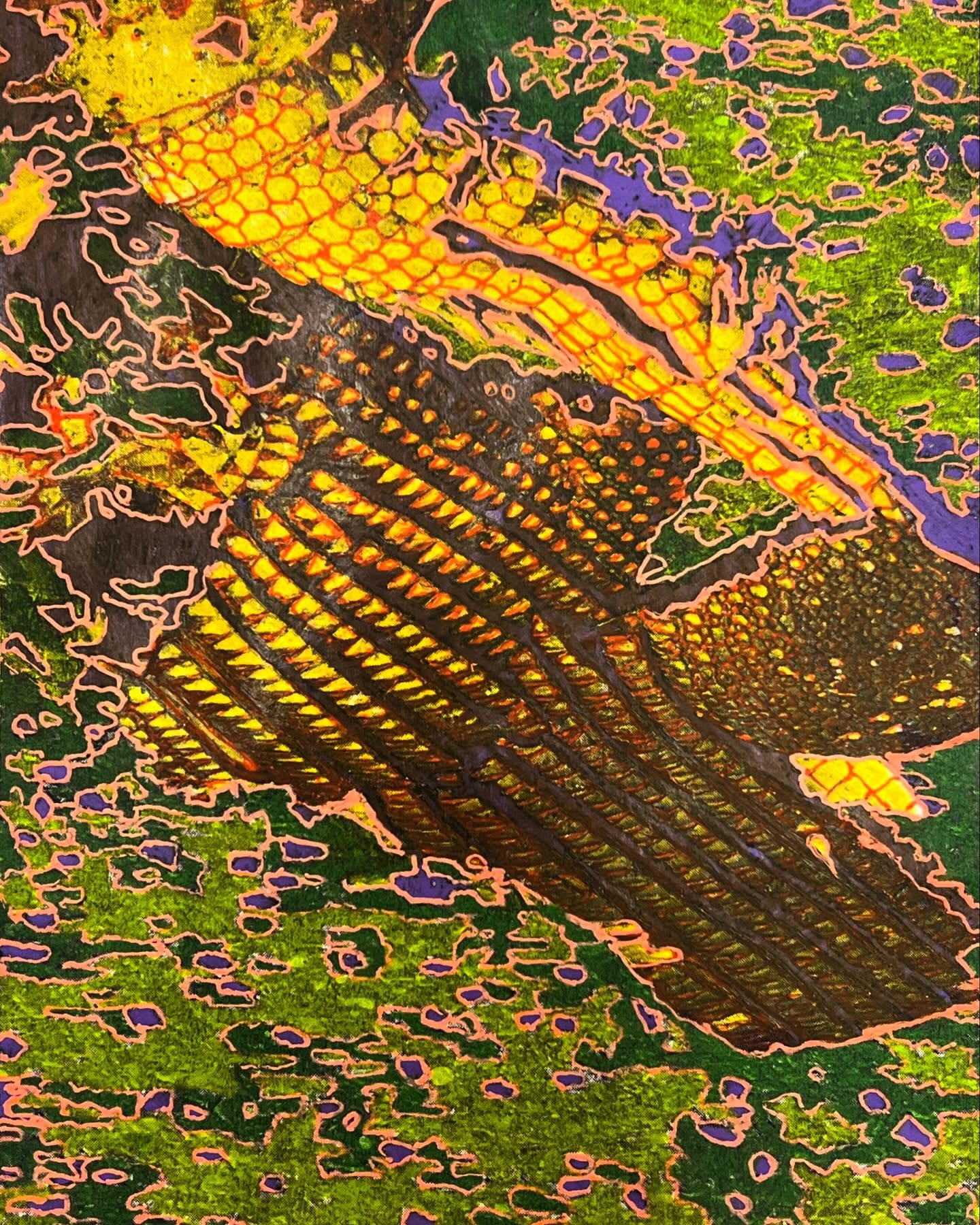
Kaliste Saloom Armadillo
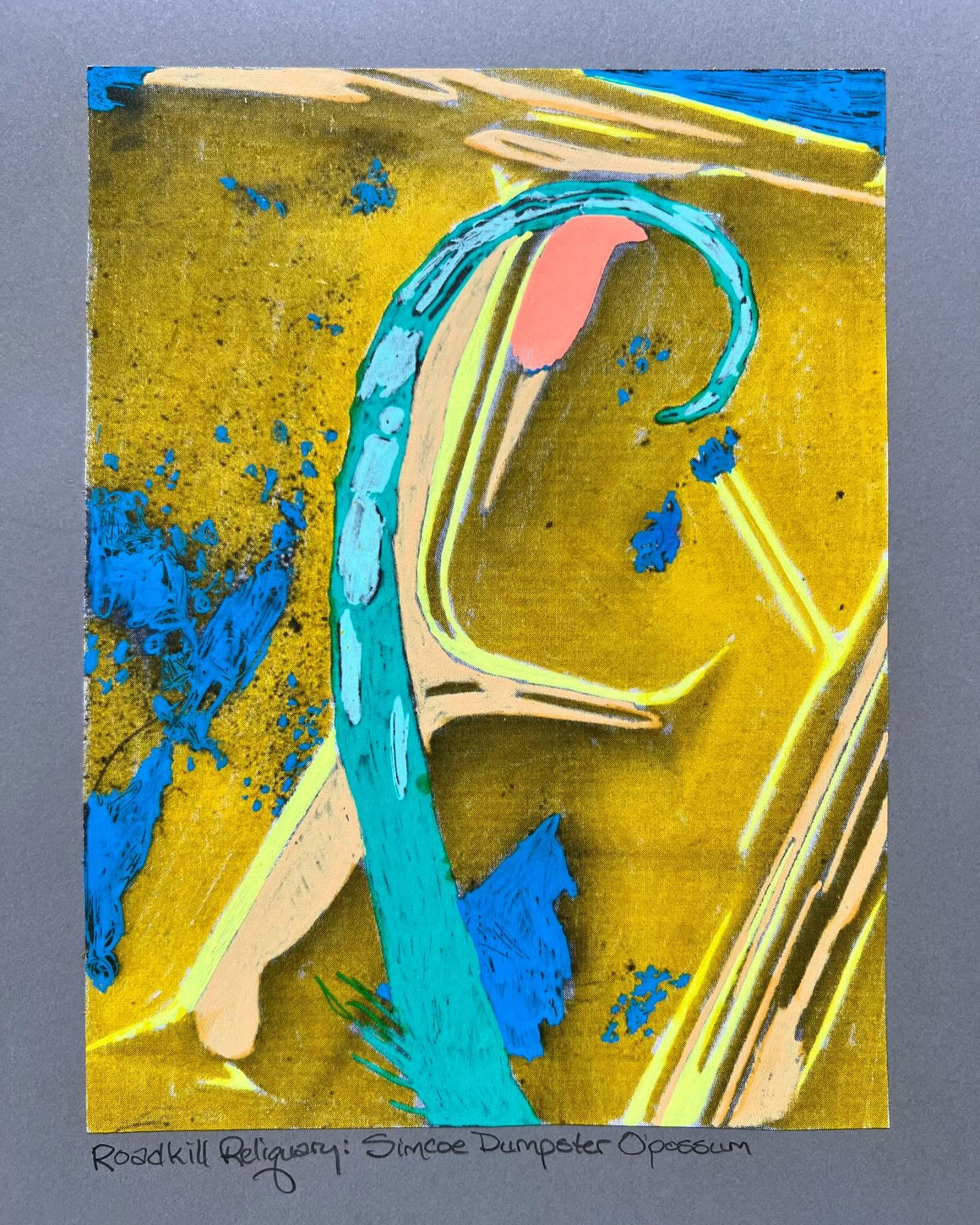
Simcoe Dumpster Opossum
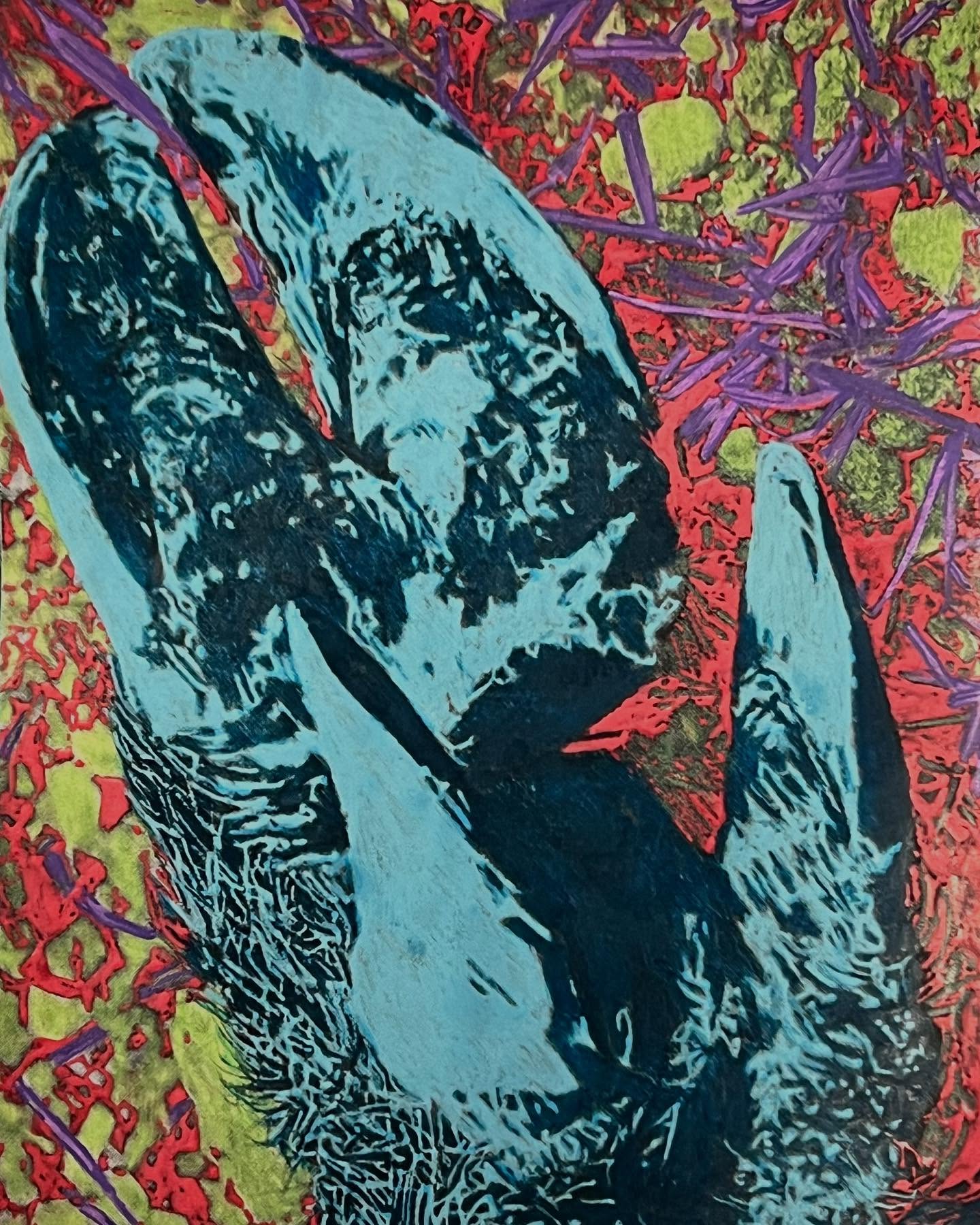
East Orleans Boar
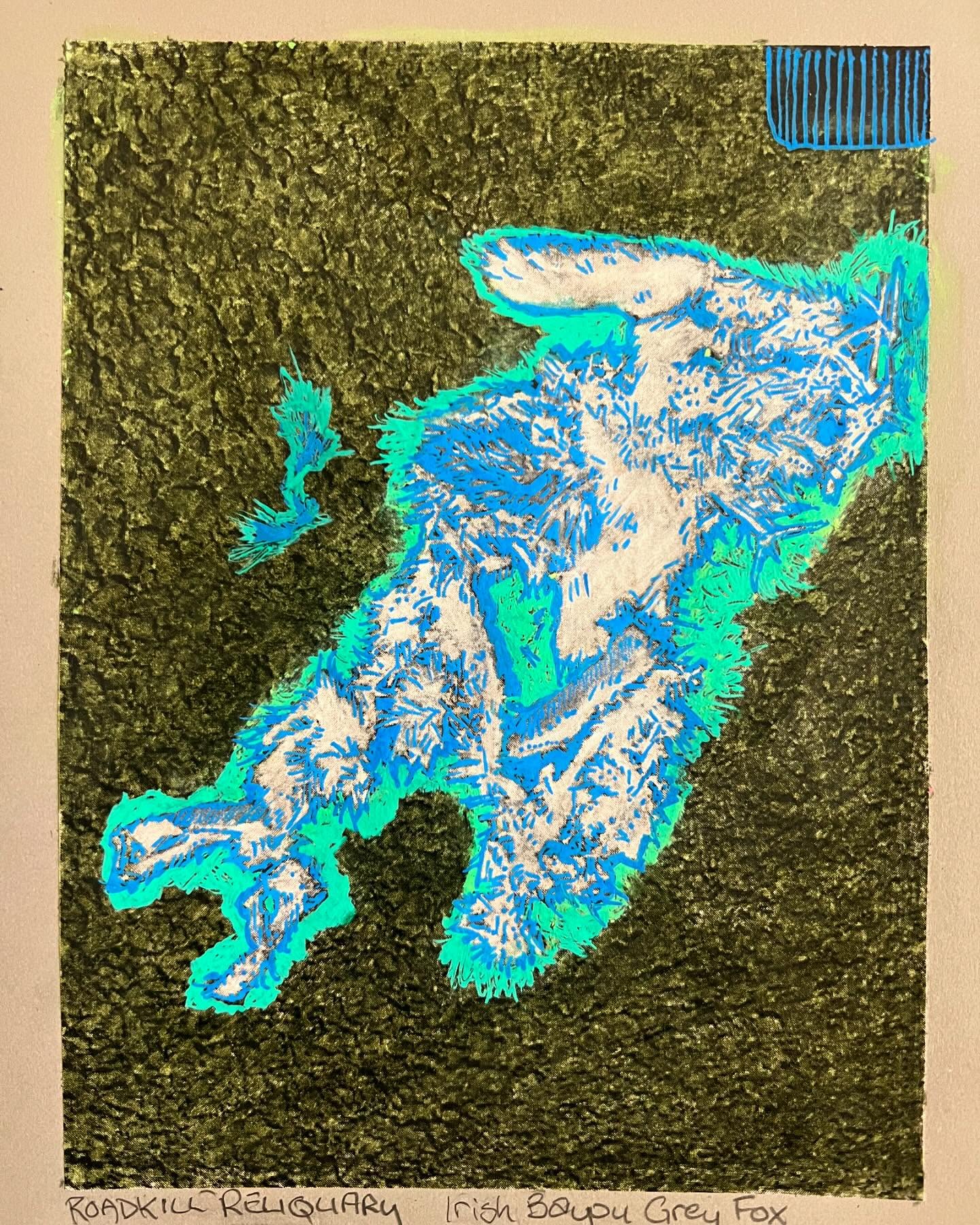
Irish Bayou Grey Fox
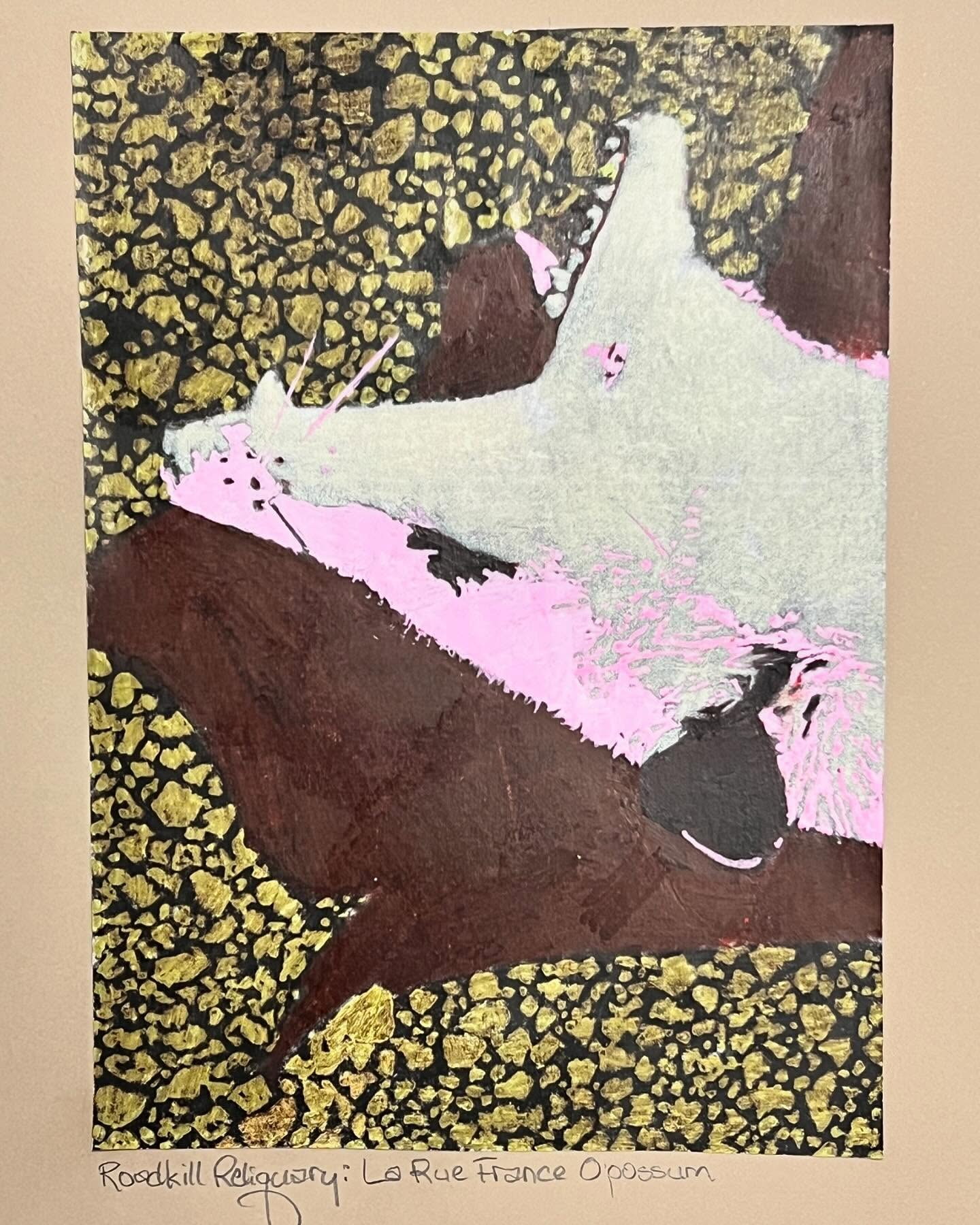
La Rue France Opossum
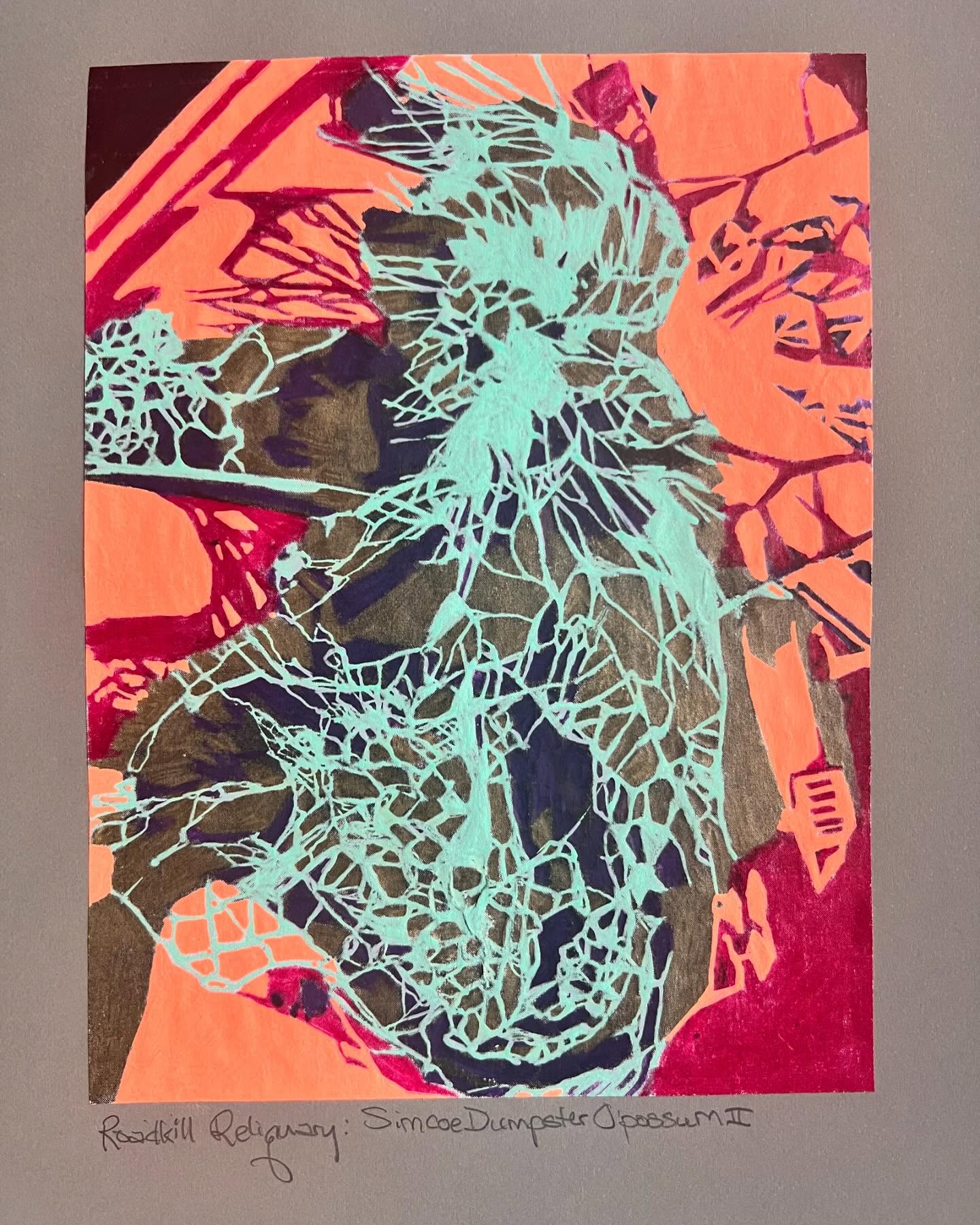
Simcoe Dumpster Opossum II
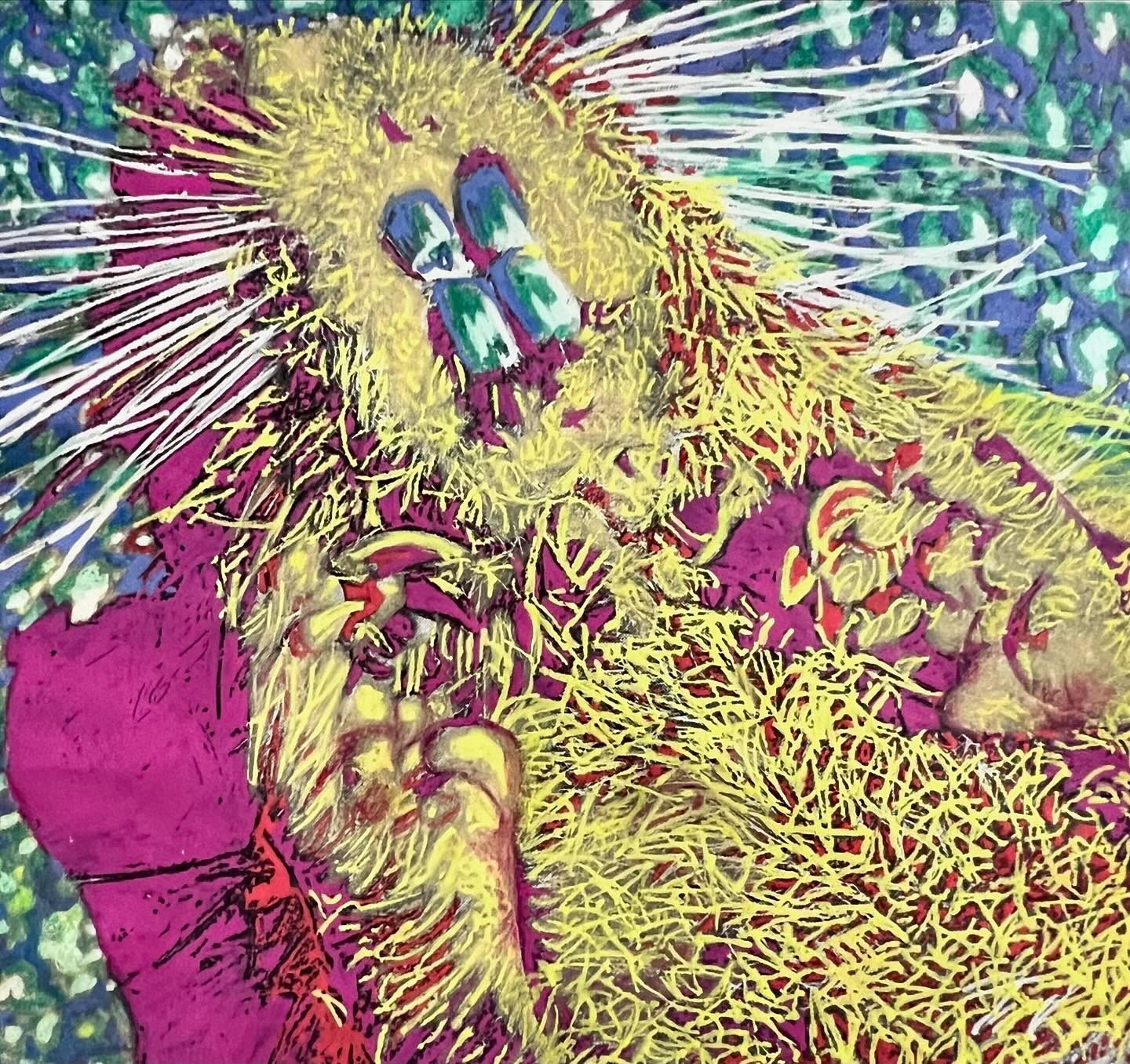
Rigolets Nutria II
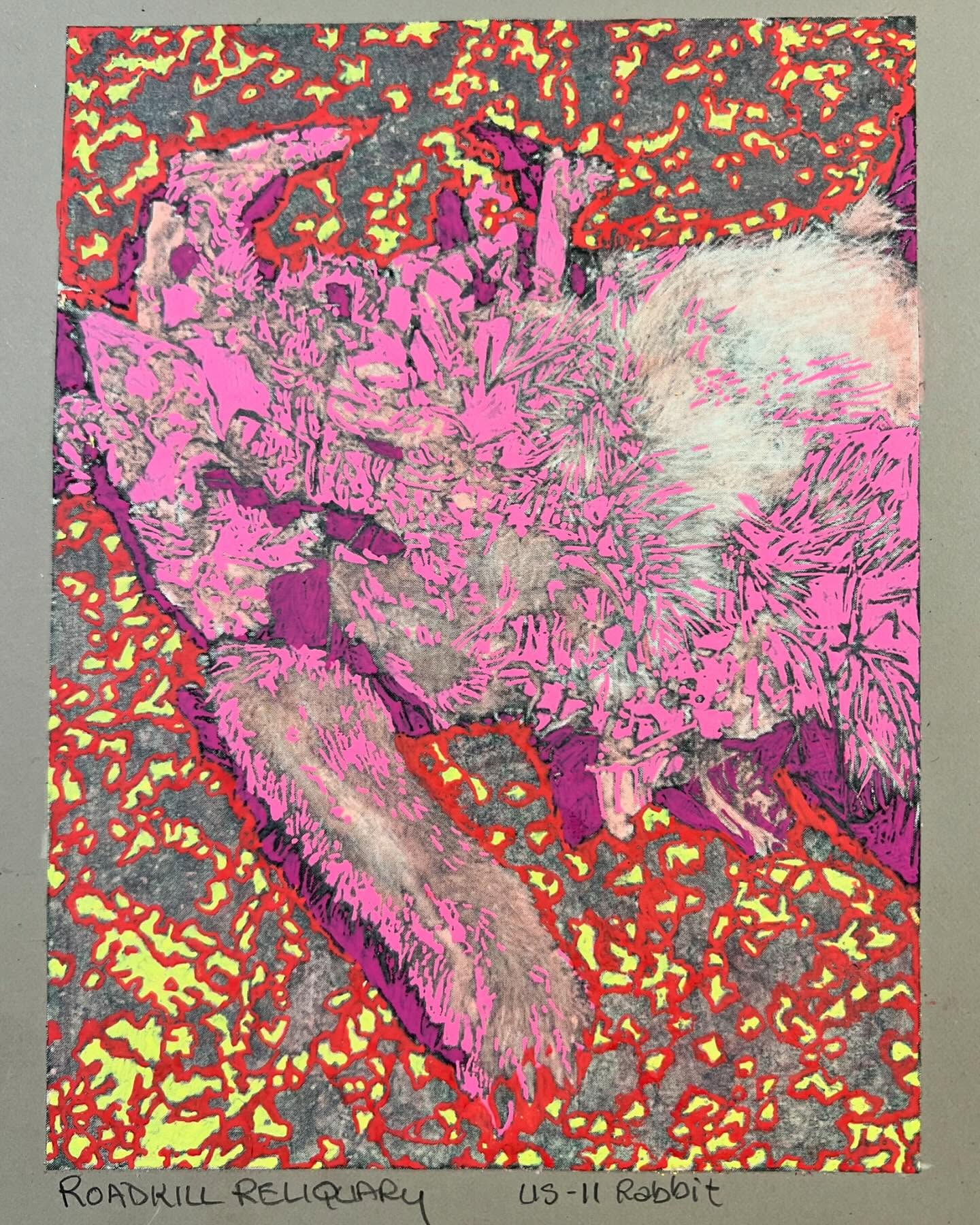
US-11 Rabbit
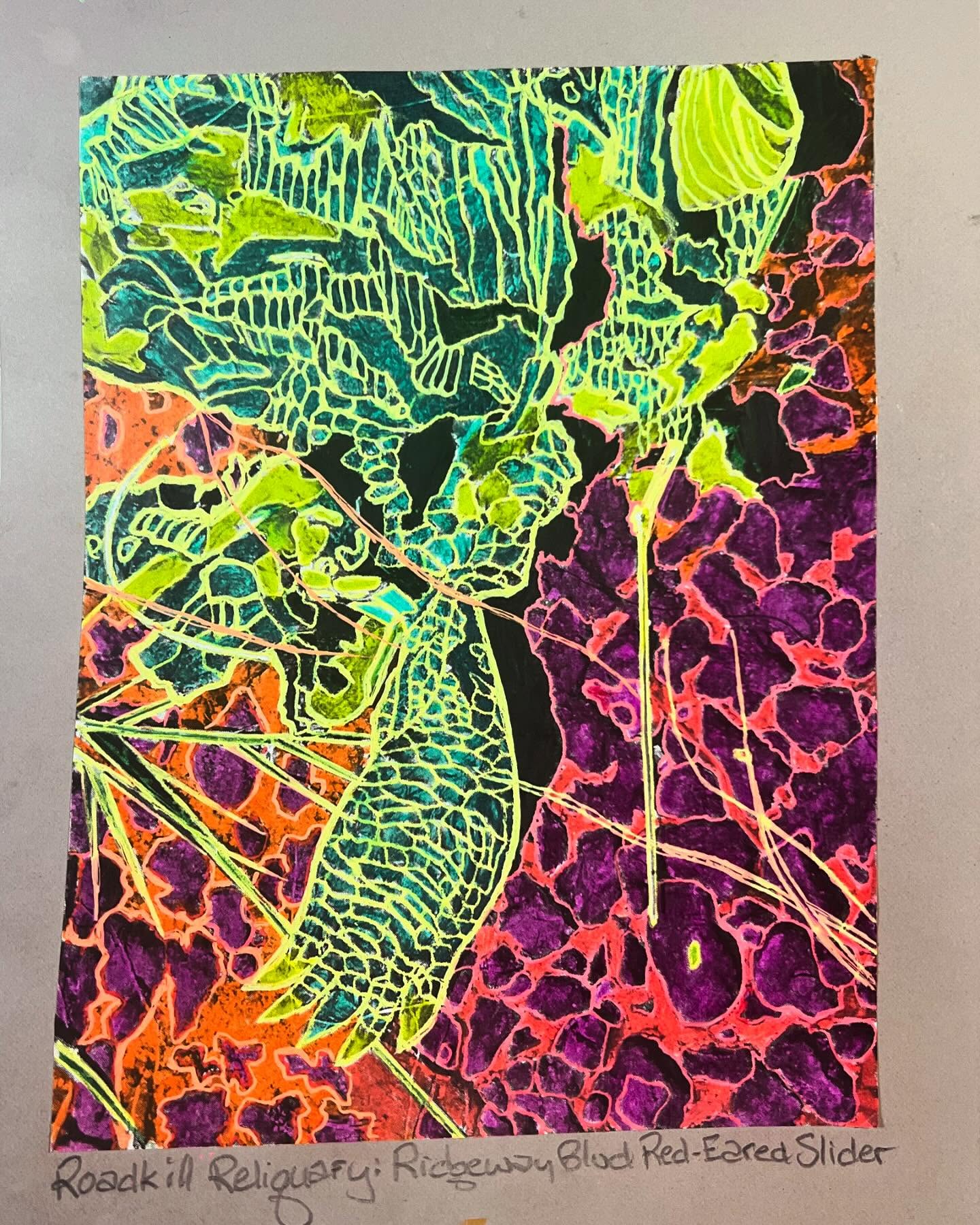
Ridgeway Blve Red-Eared Slider
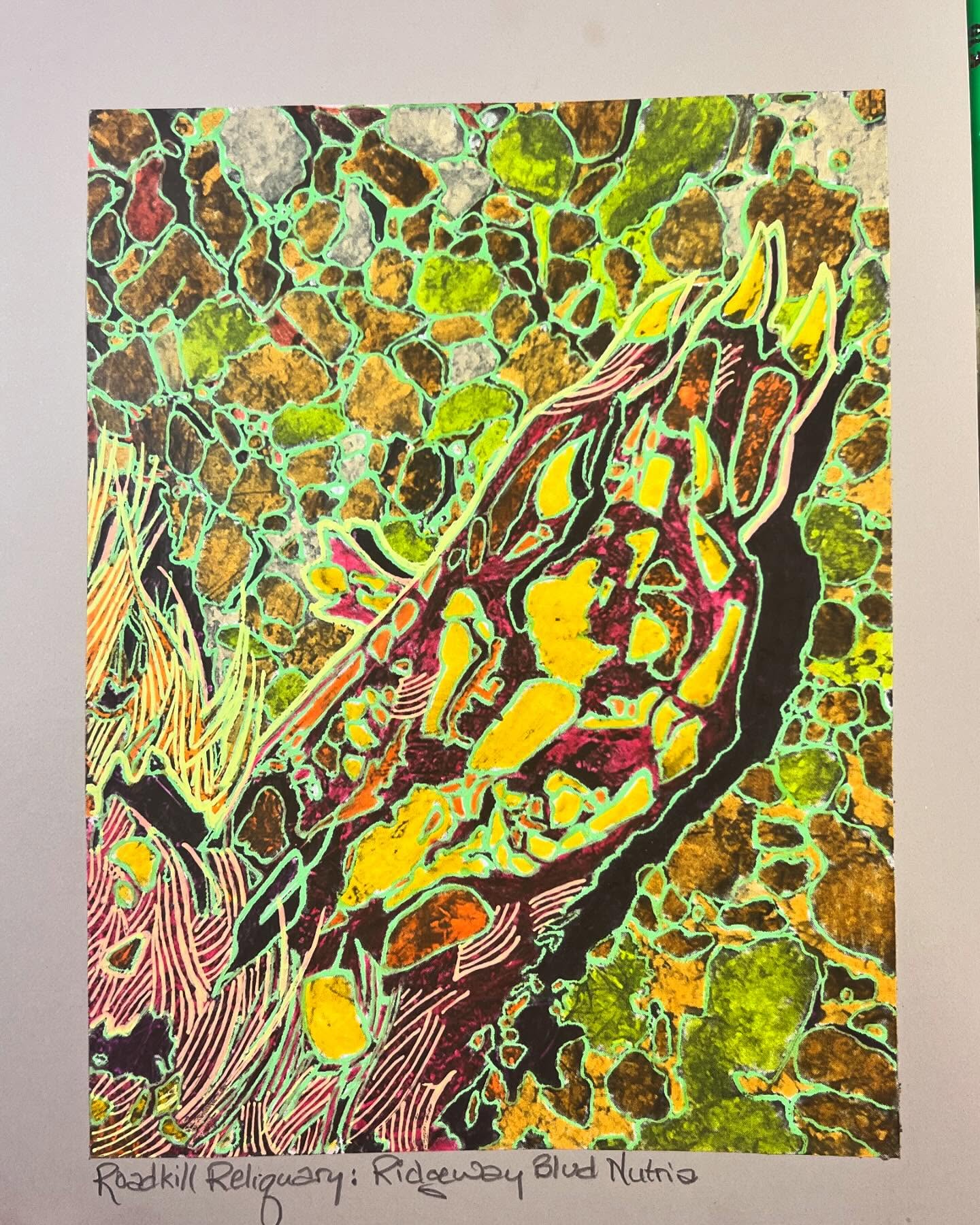
Ridgeway Blvd Nutria
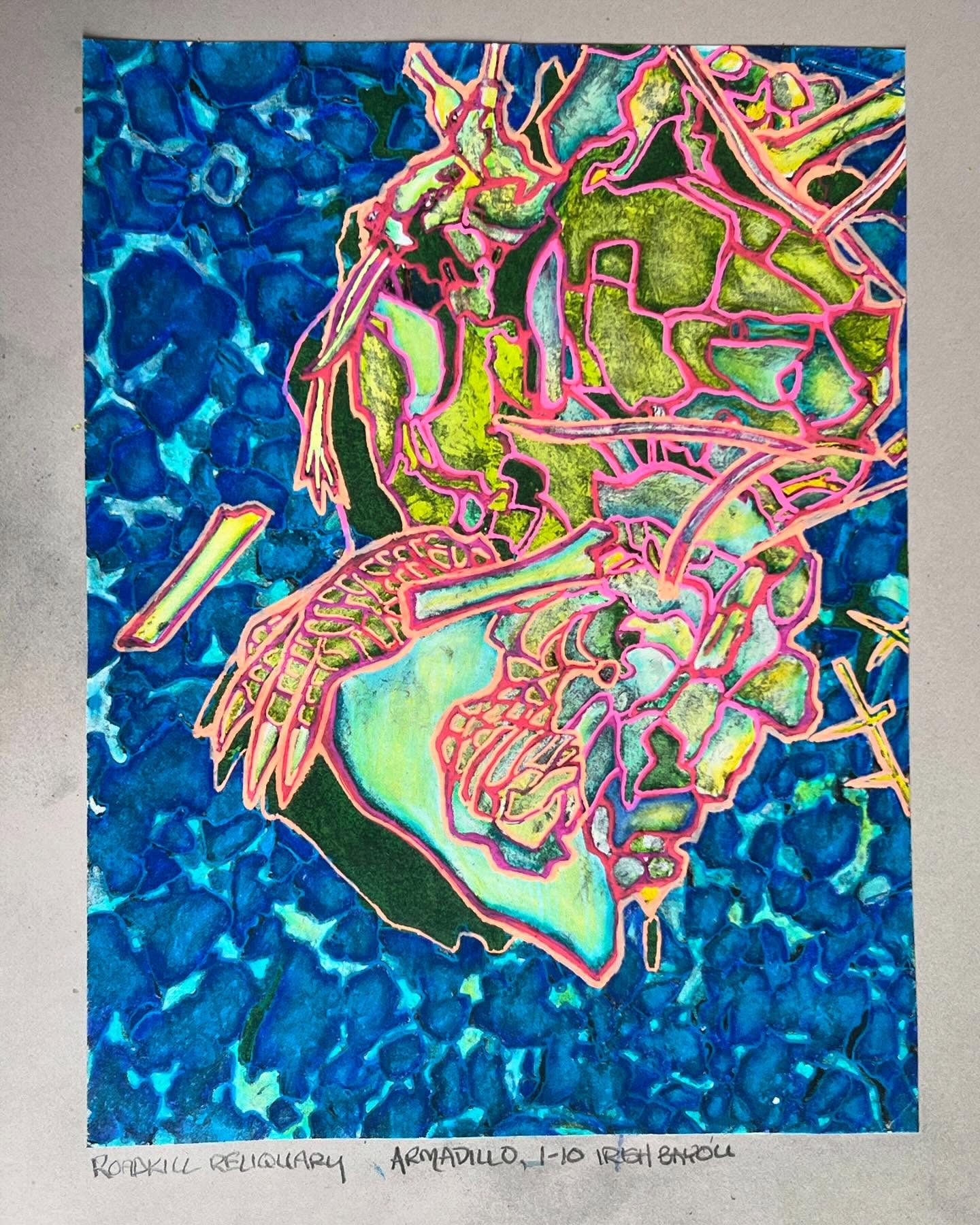
I-10 Irish Bayou Armadillo
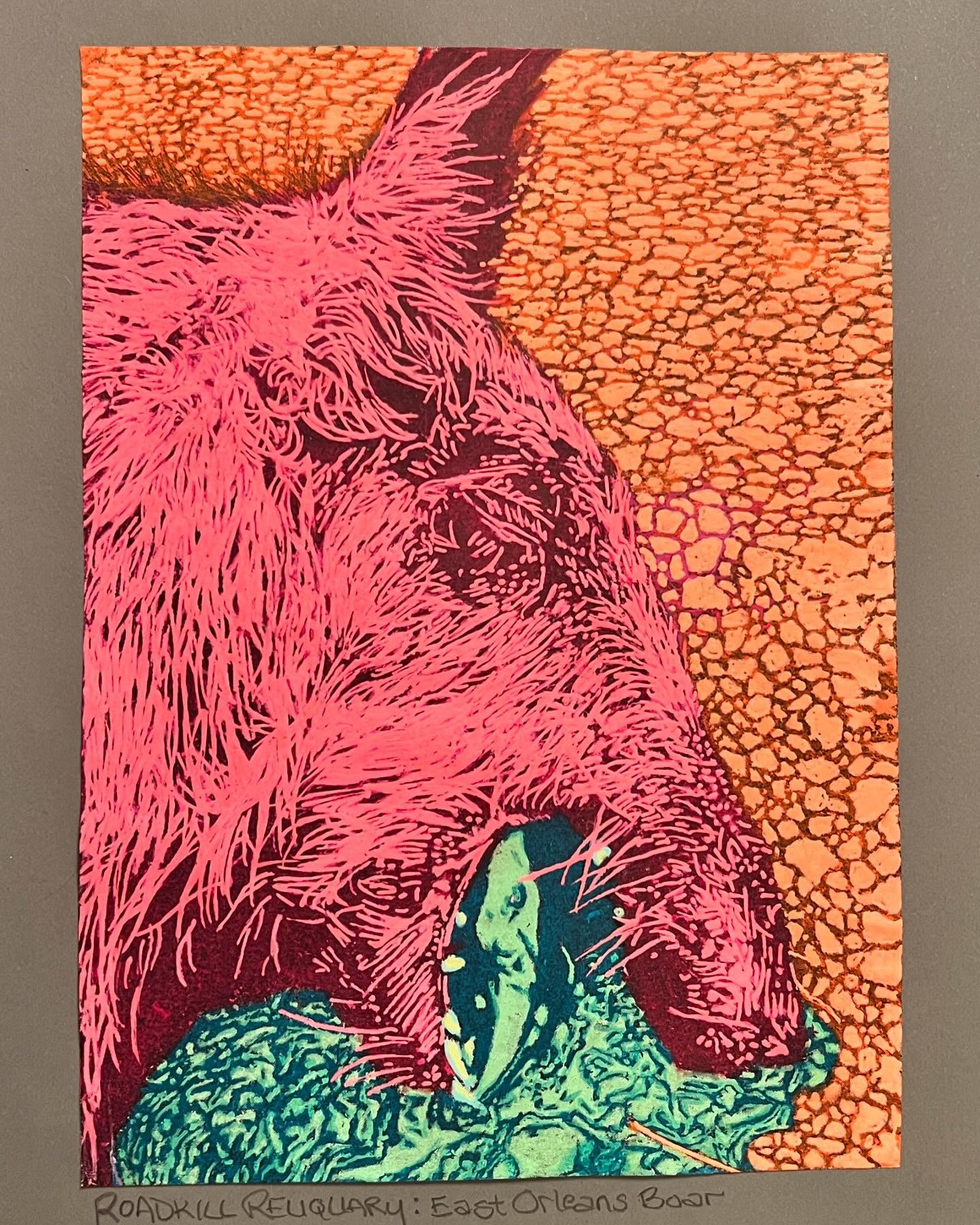
East Orleans Boar II
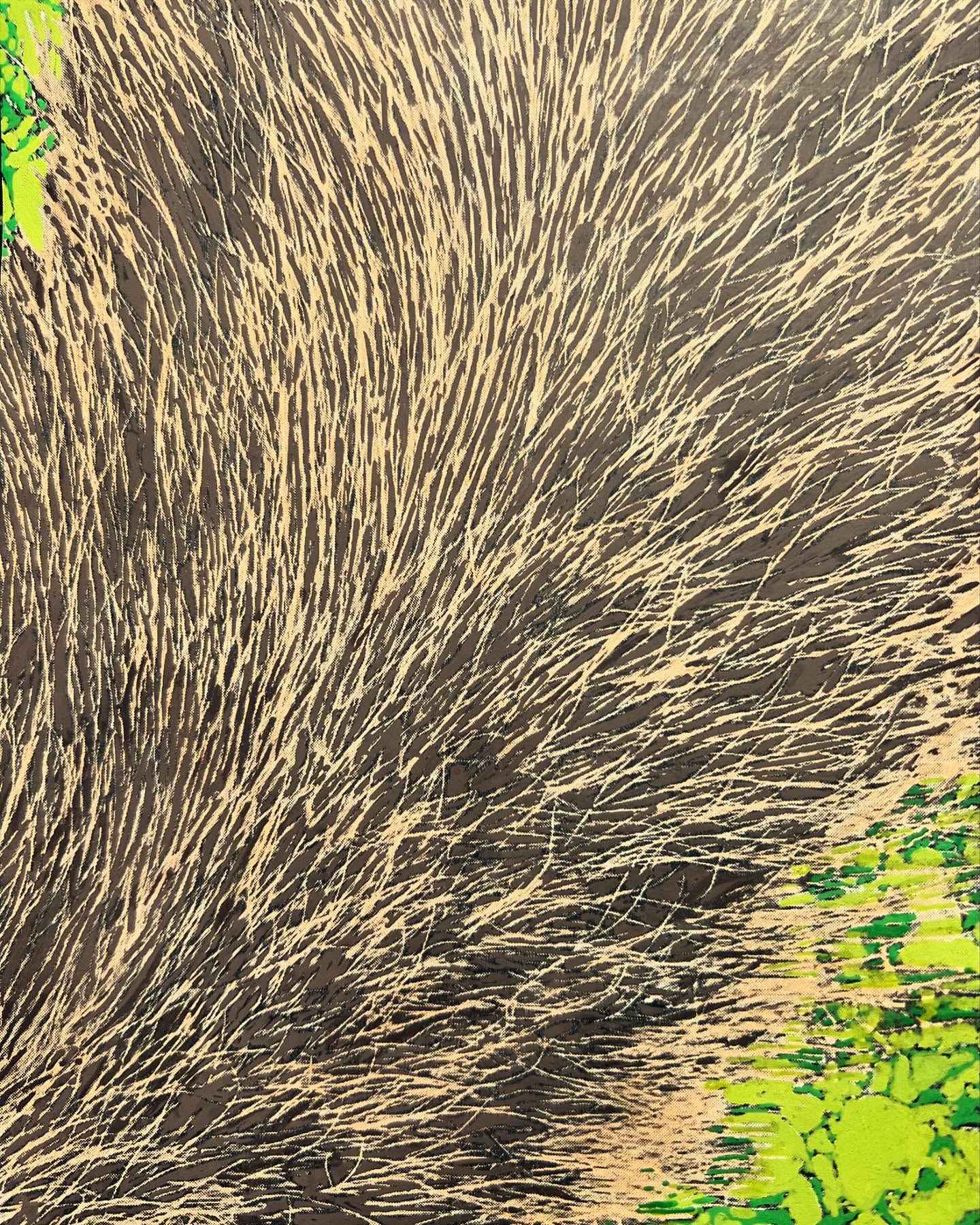
Girard Park Circle Squirrel
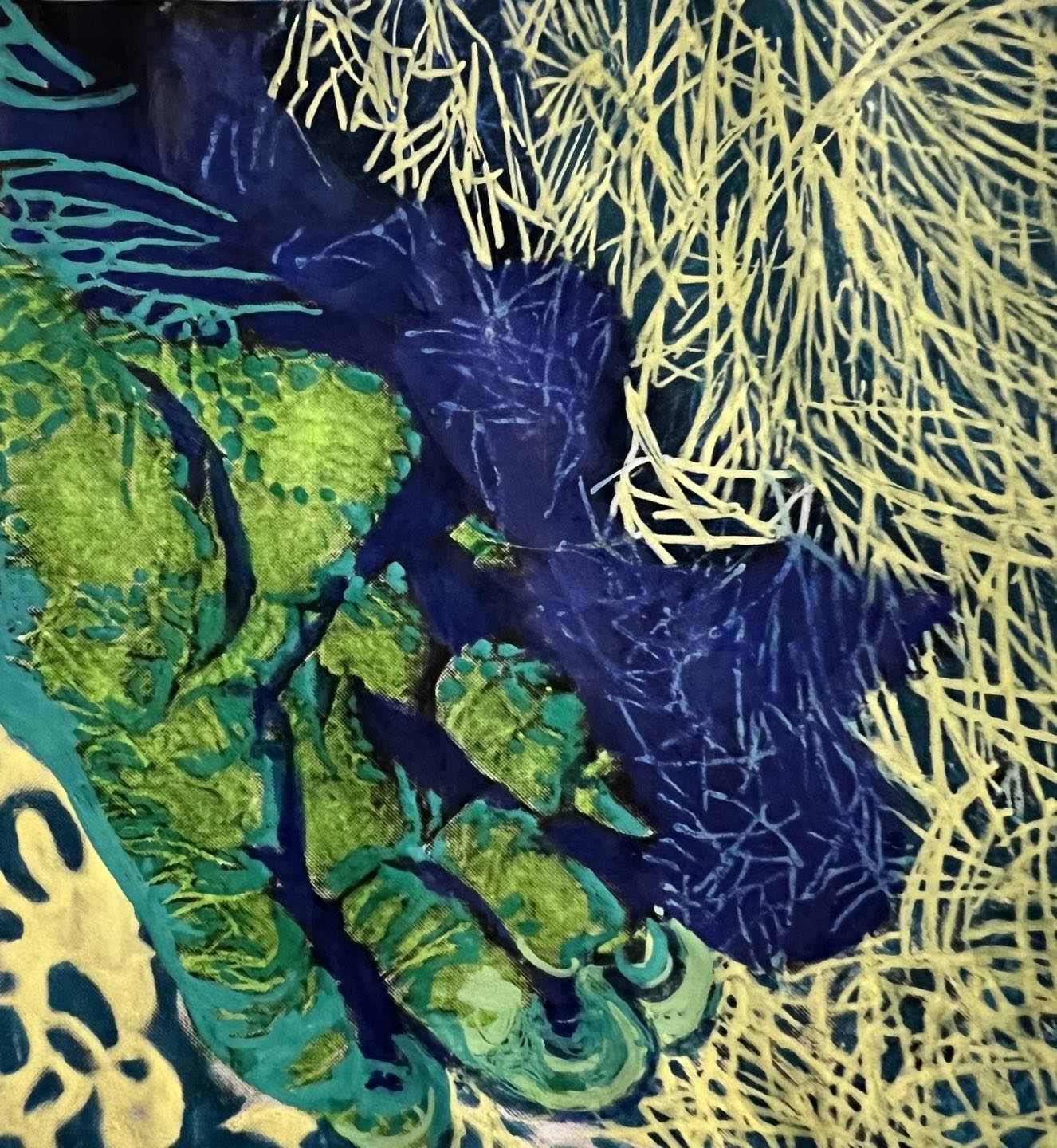
Spanish Trail Nutria
Ninth Ward Rabbit
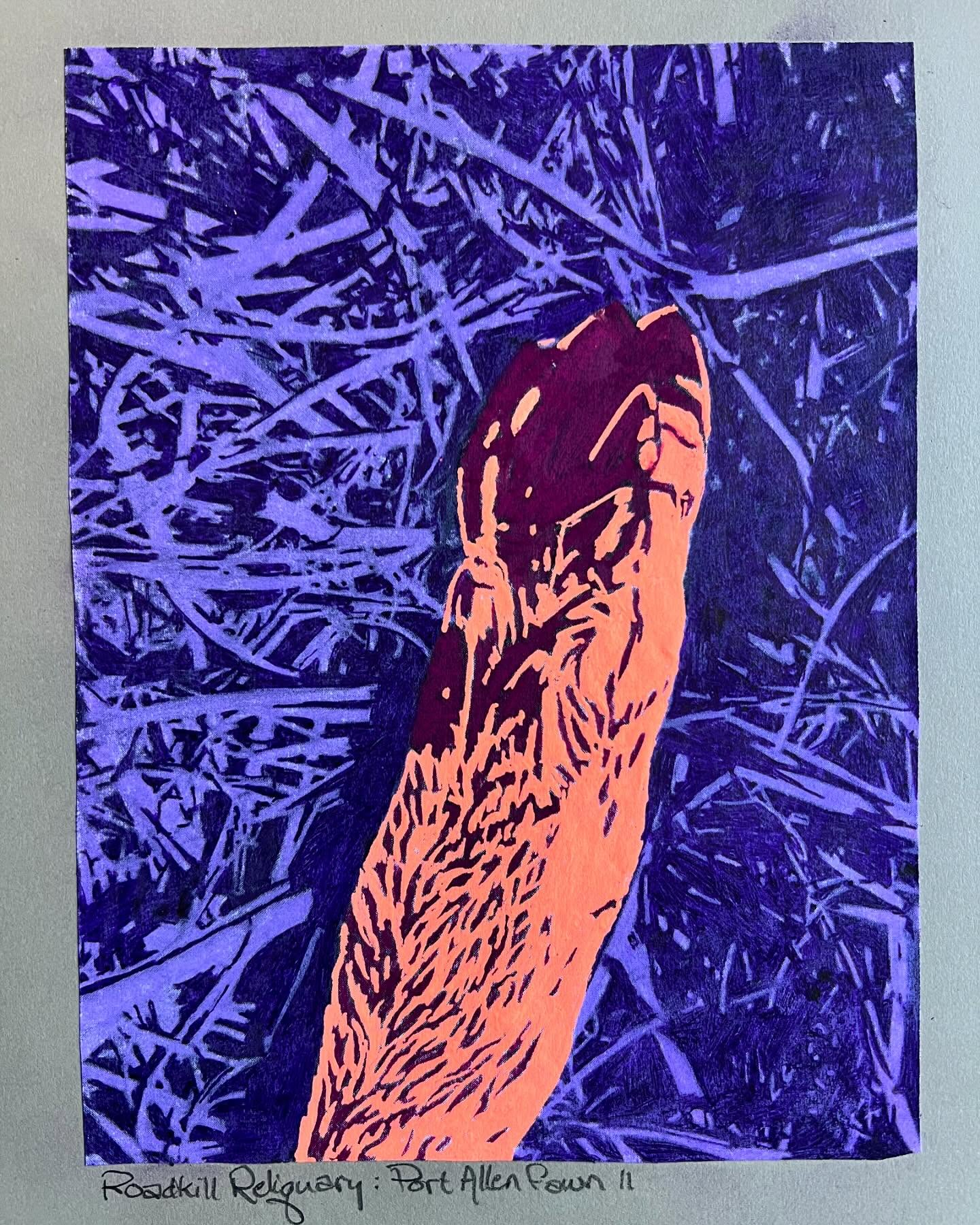
Port Allen Fawn II
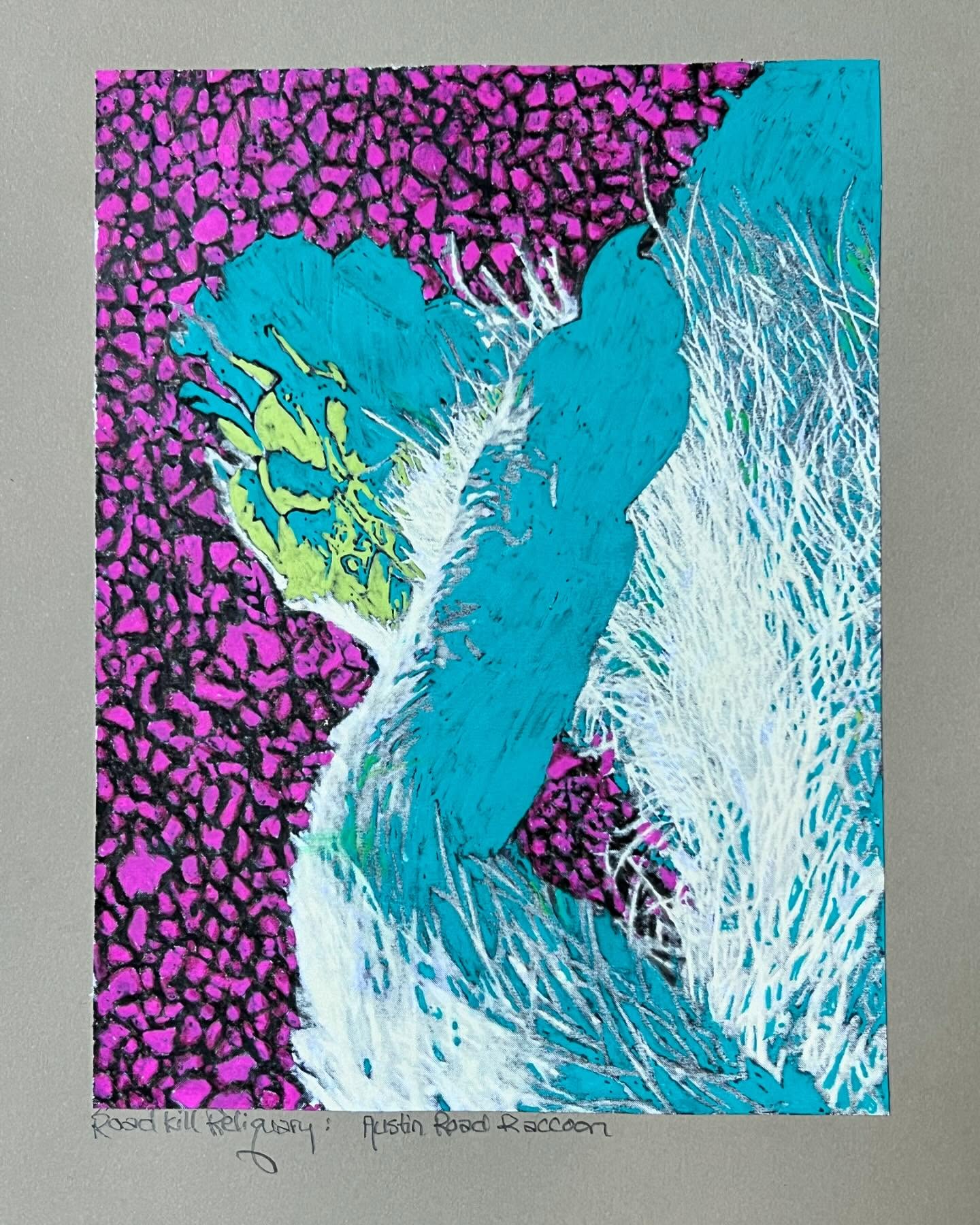
Austin Road Raccoon
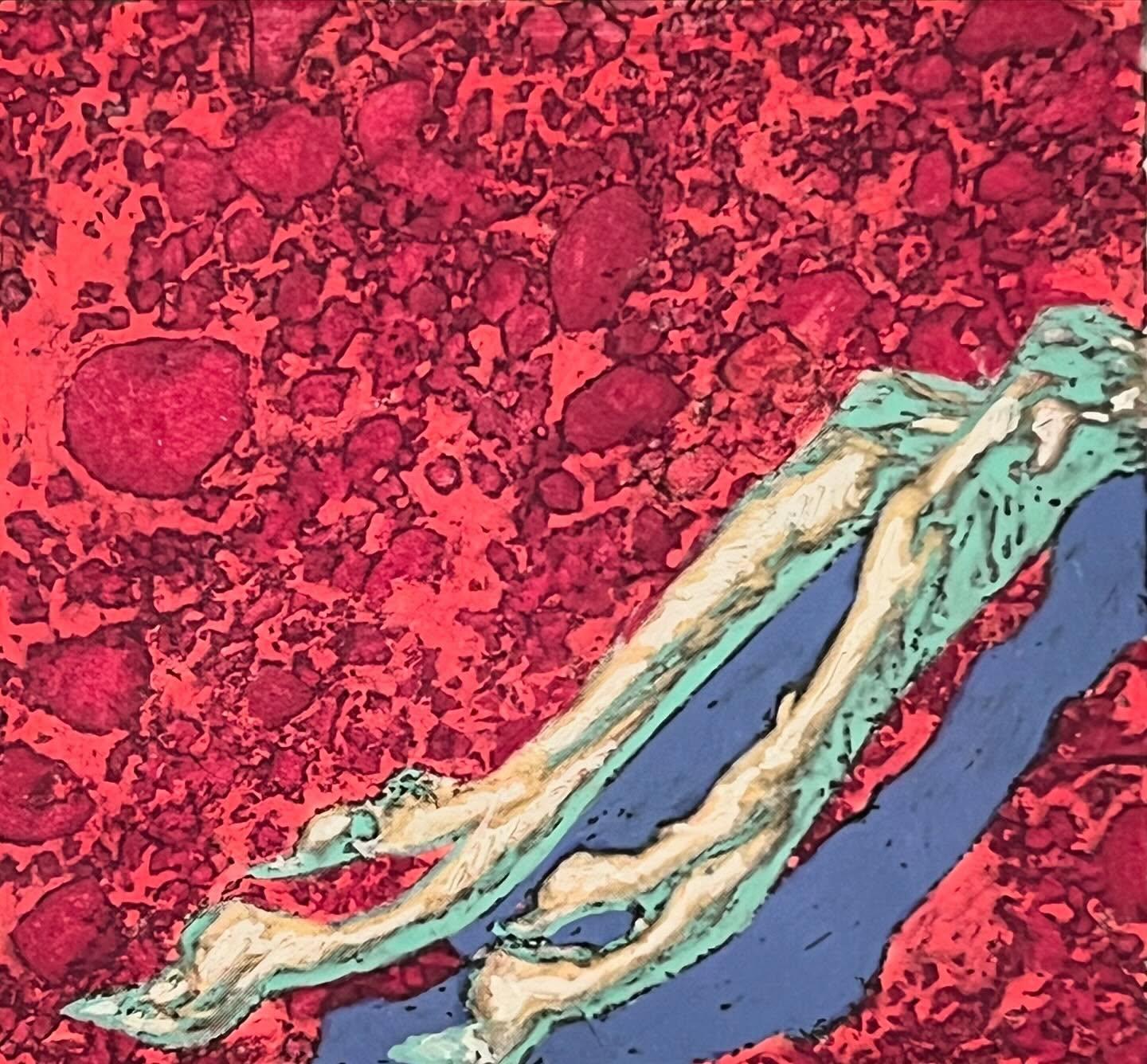
Casino Swamp Rat
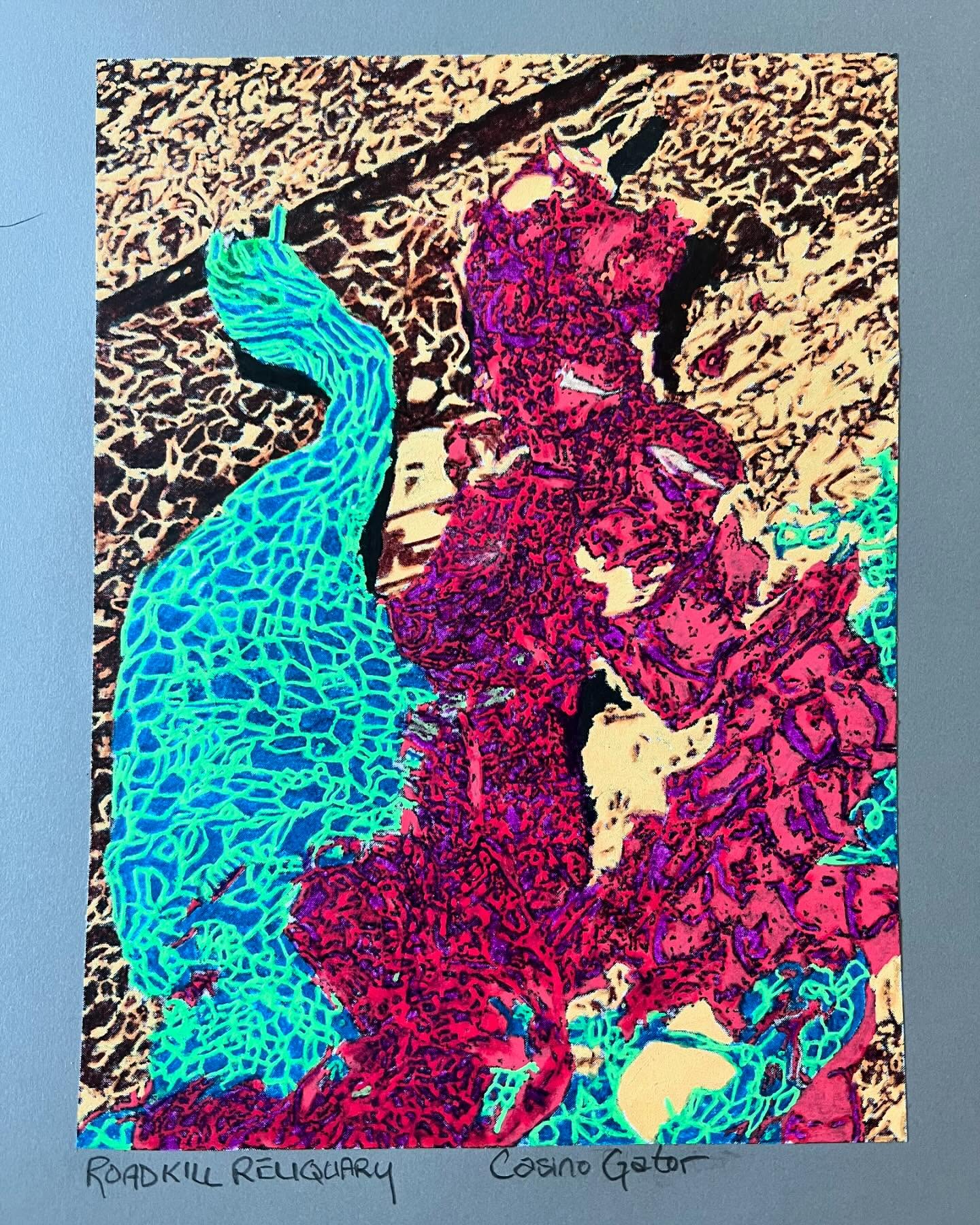
Casino Gator
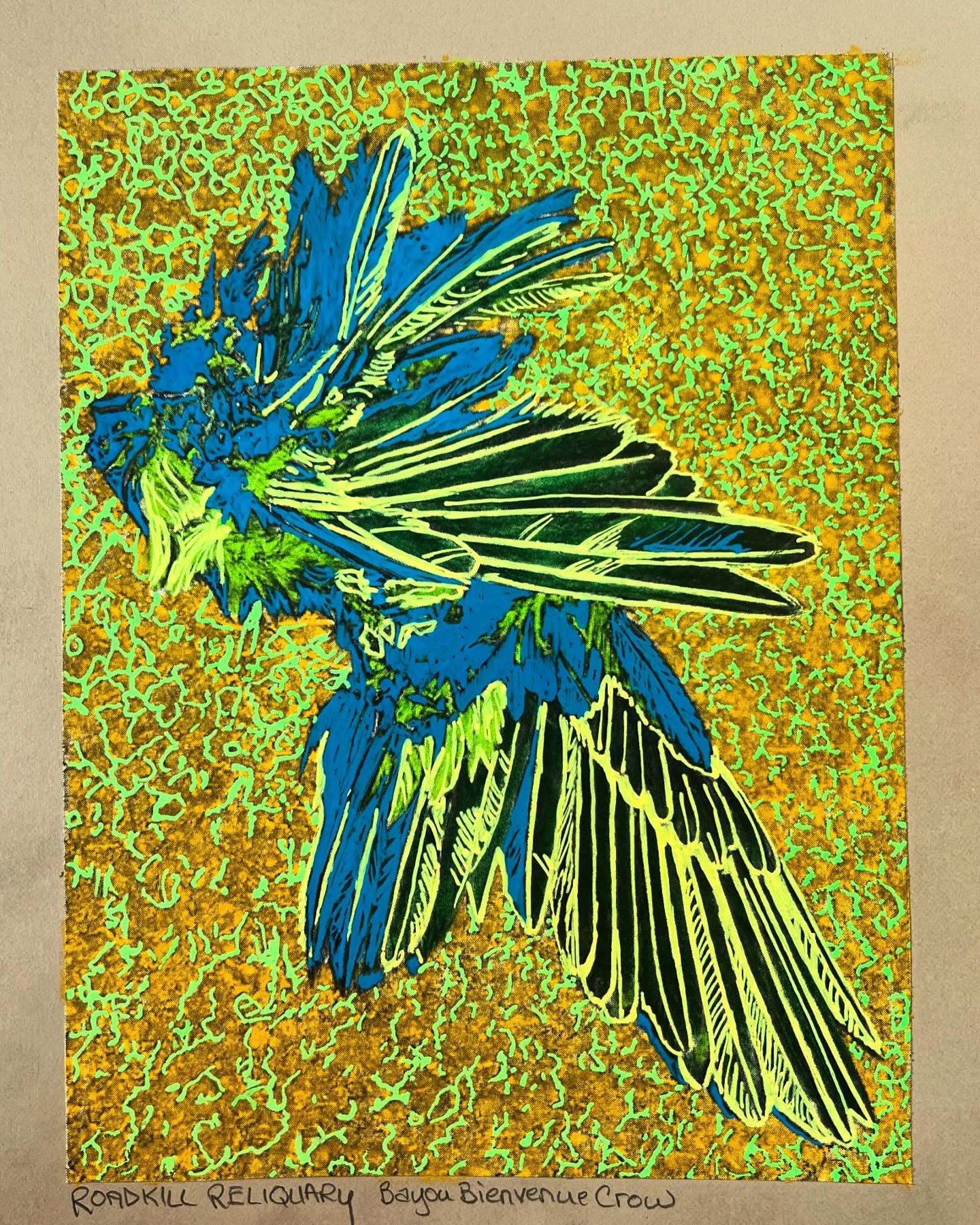
Bayou Bienvenue Crow II
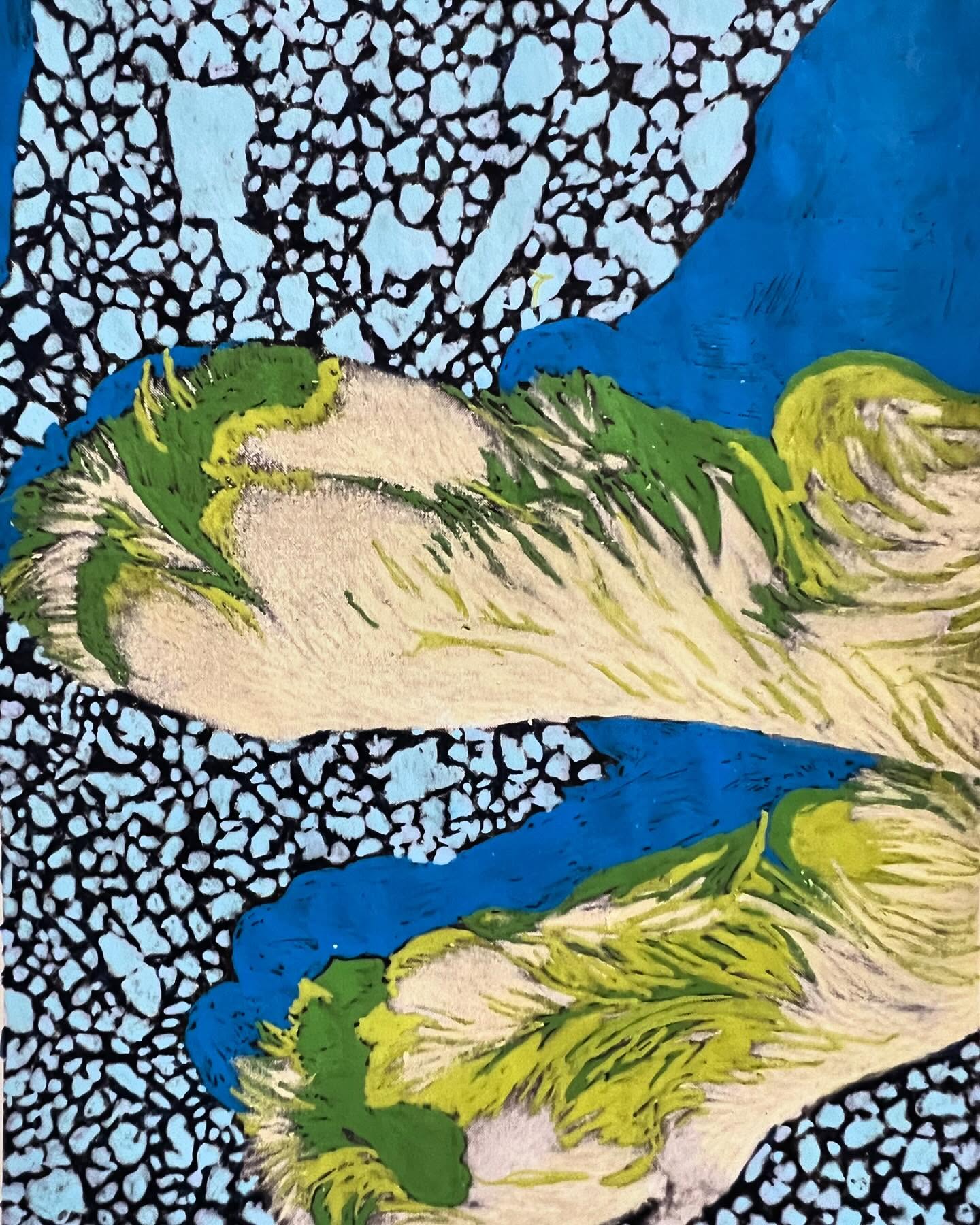
Almedia Bull Terrier
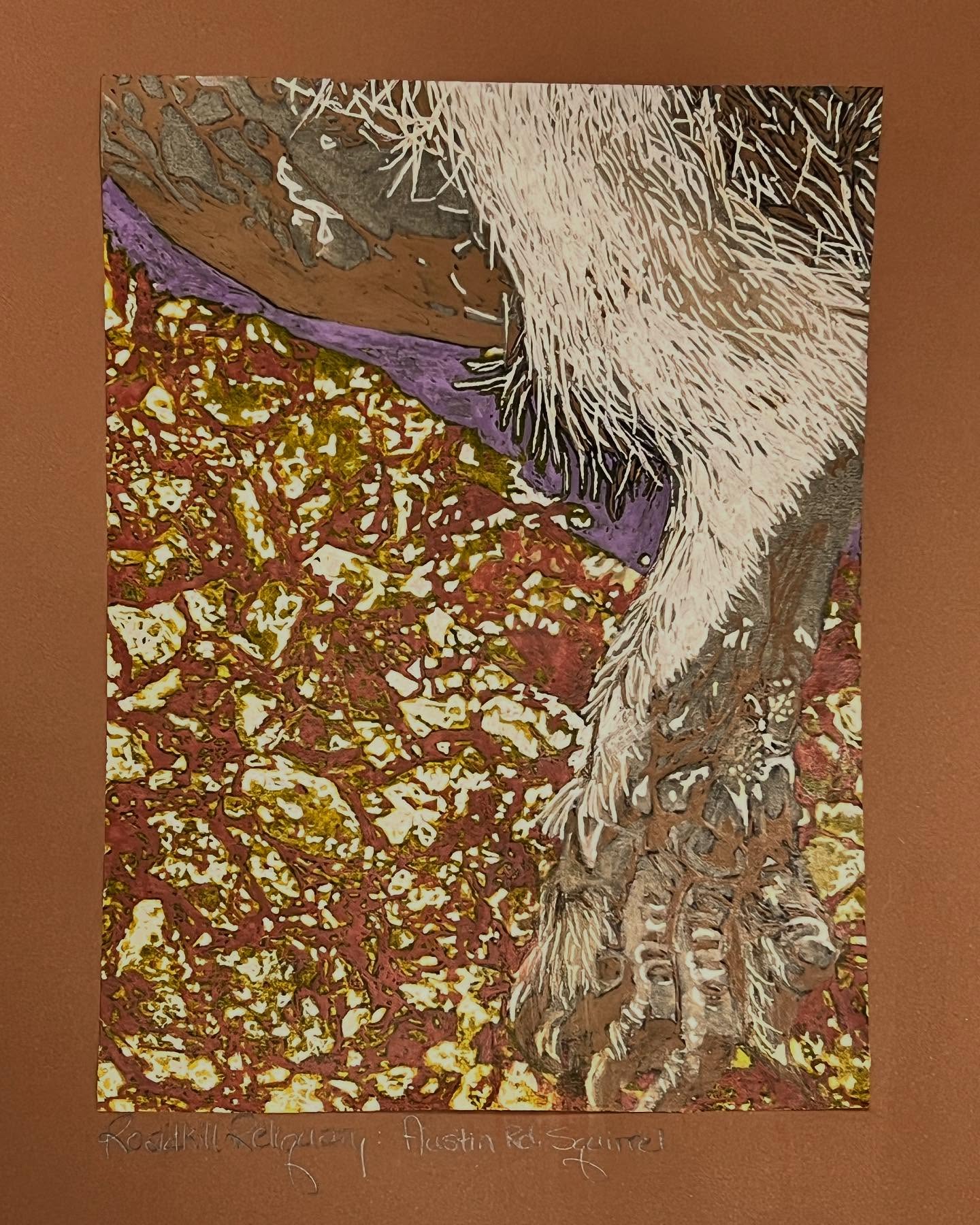
Austin Road Squirrel
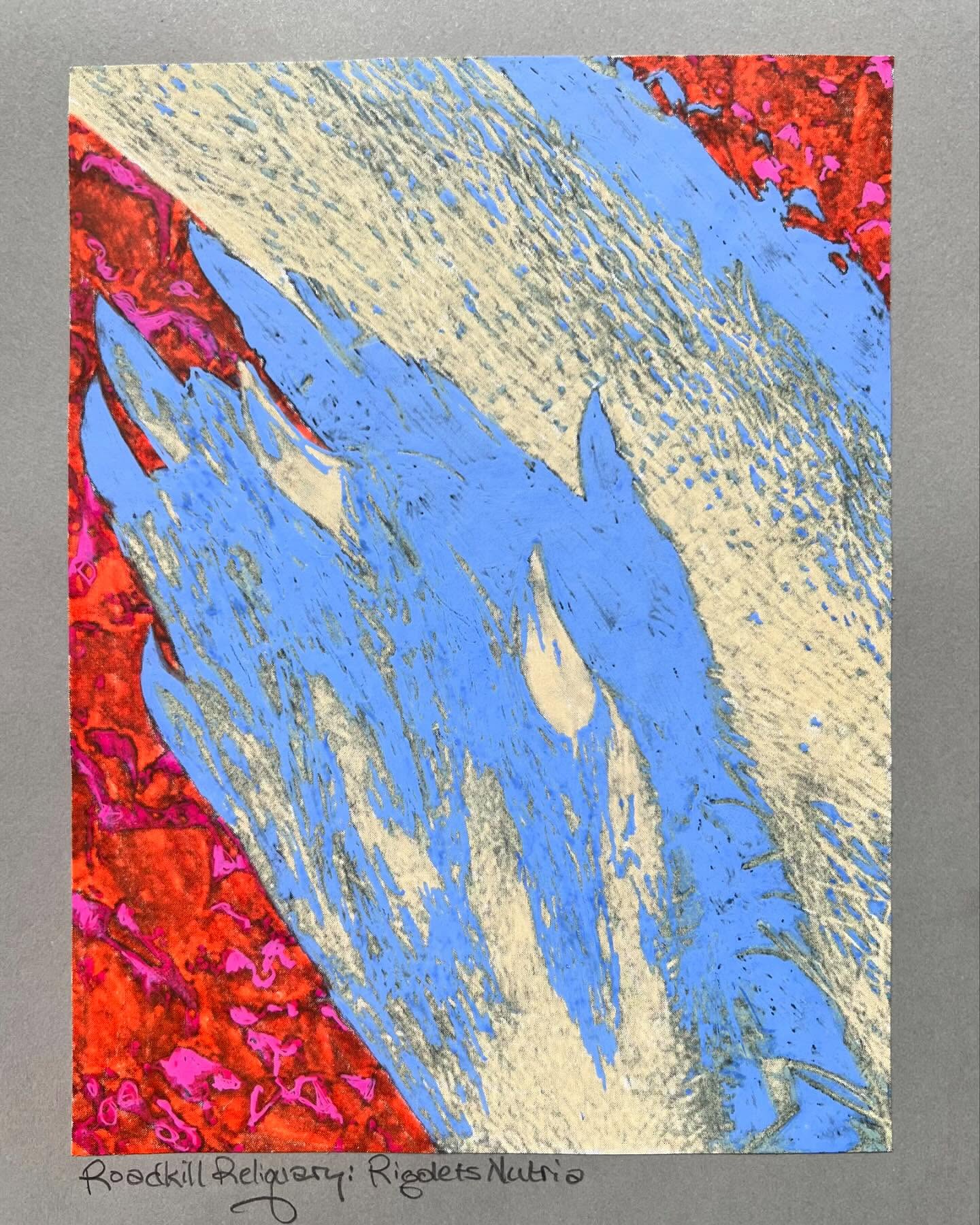
Rigolets Nutria
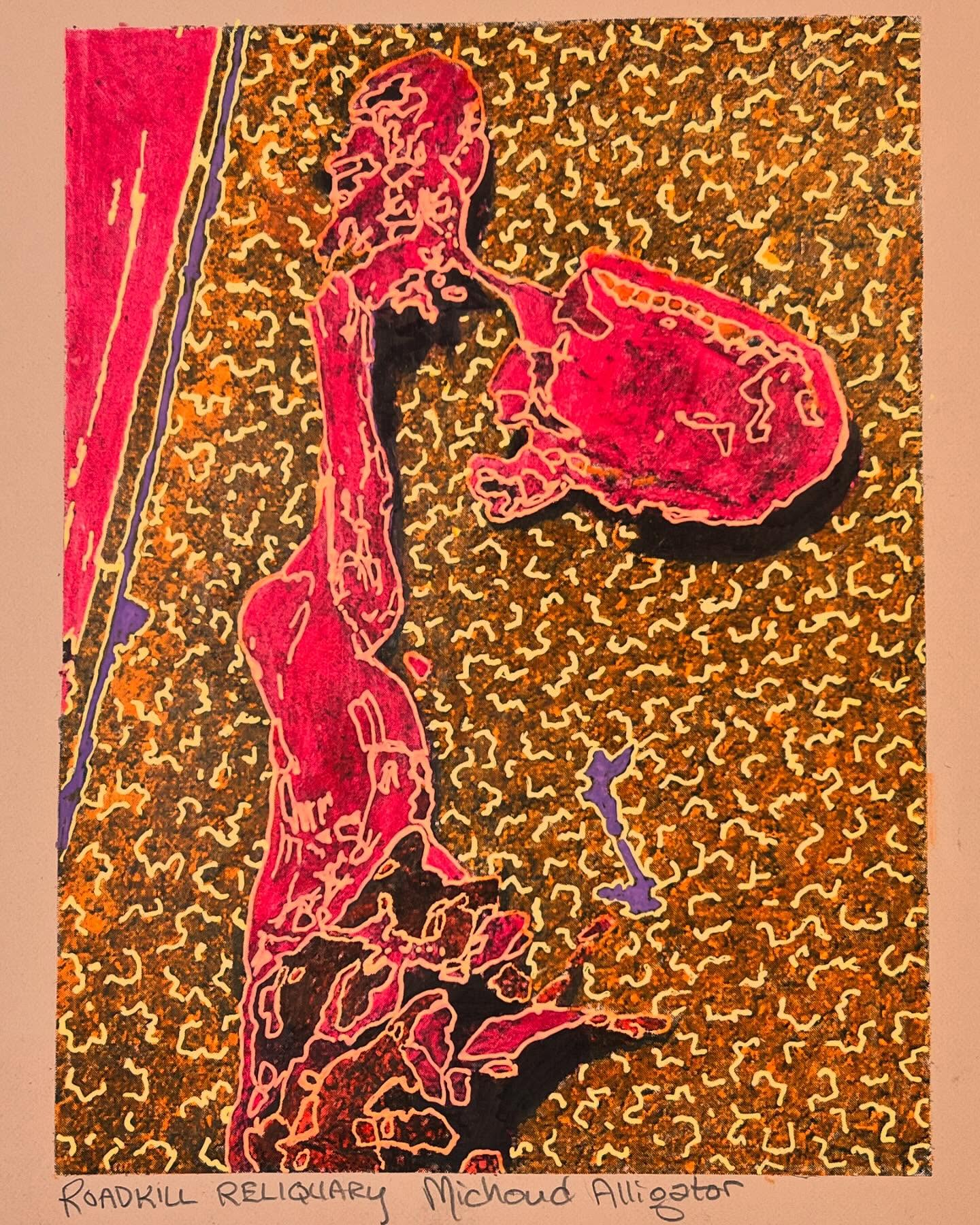
Michoud Alligator
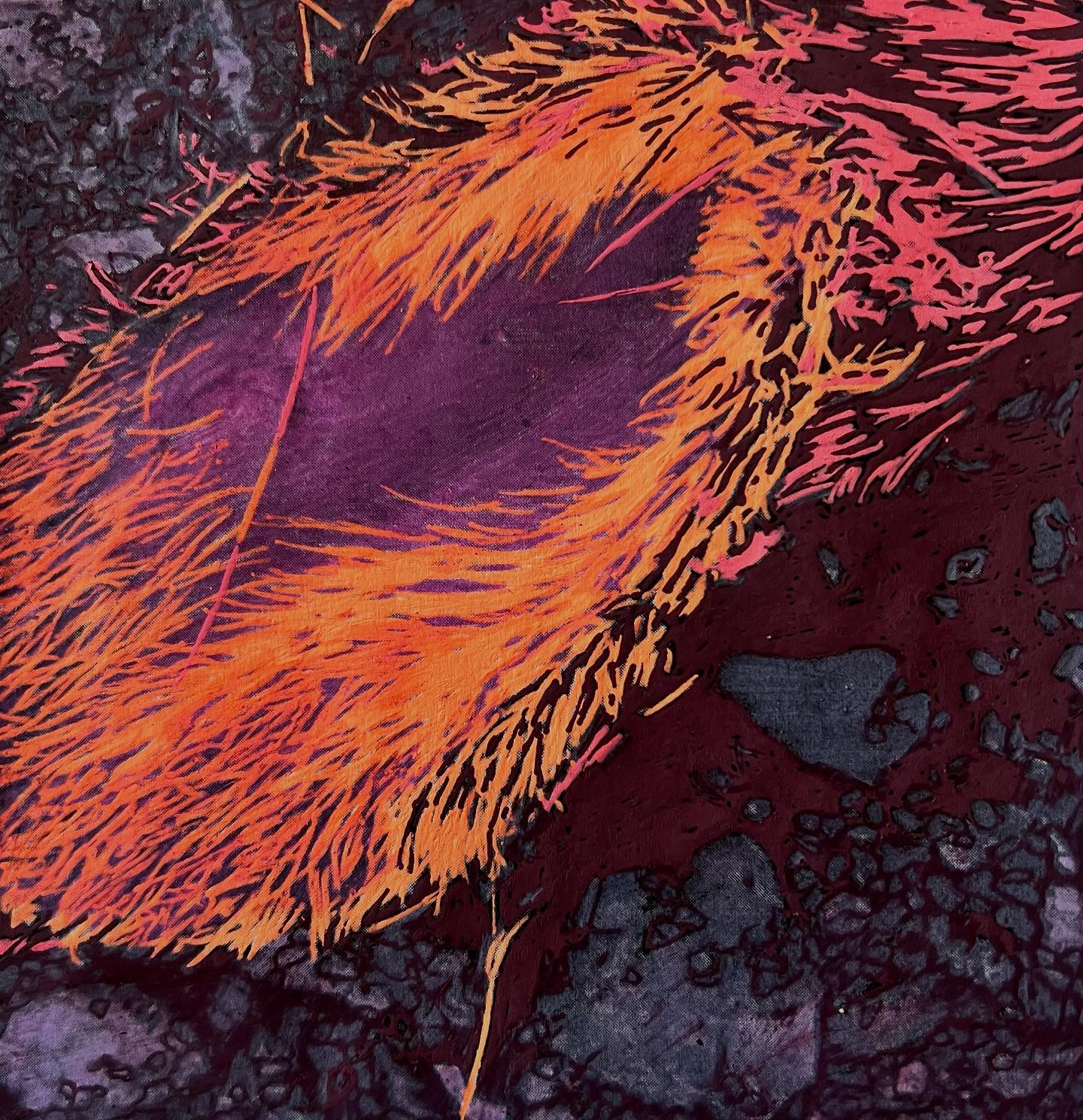
Arnaudville Rabbit